Cats
How to Litter Train a Kitten in 5 Easy Steps
Most kittens take to the litter box quickly. Learn how to choose the right box and litter, where to place it, and how to fix common litter box mistakes.
A slow, scent-first introduction plan to help your cats become friends, or at least peaceful housemates, with tips on reading body language and fixing setbacks.
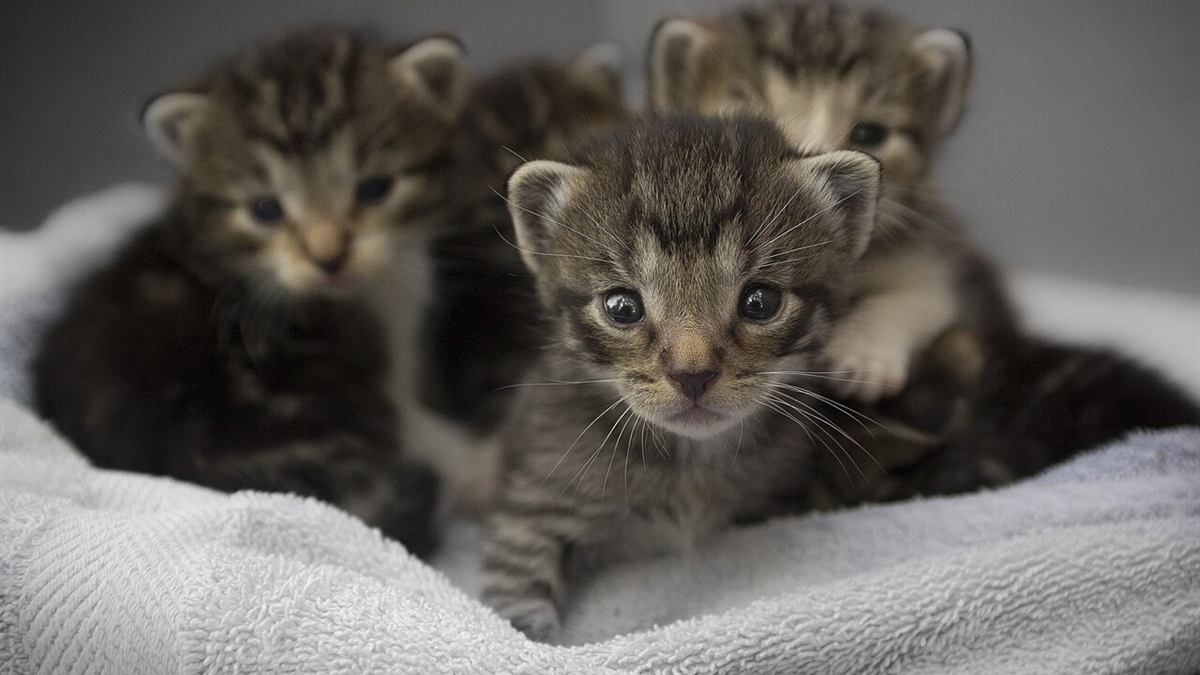
Bringing a second cat home can be wonderful, but cats are territorial and do not automatically welcome newcomers. Simply putting two cats together and "letting them work it out" often leads to hissing, fighting and long-term tension. A slow introduction that starts with scent, not sight, gives your cats the best chance of getting along.
Have the new cat checked by a veterinarian before introduction, including testing for contagious diseases and treatment for parasites. Prepare a separate "sanctuary room" with its own litter box, food and water, bed, scratching post, hiding spots and toys.
Keep the new cat in the sanctuary room with the door closed. This lets it settle in and lets both cats get used to each other's sounds and smells without the stress of meeting. Spend time with both cats separately, so your resident cat does not feel replaced.
Cats rely heavily on scent. Swap bedding between the cats, or rub a soft cloth on one cat's cheeks and leave it near the other cat's food bowl. Offer treats when they investigate the scent. You can also swap rooms for an hour or so, letting each cat explore the other's territory while the other is safely elsewhere.
Move on when both cats are calm around the other's scent: no hissing, growling or avoiding food.
Feed the cats on opposite sides of the closed door. Start with bowls at a distance where both are relaxed and eat normally, then move them a little closer over several days. This builds a positive association: the other cat means dinner.
Replace the closed door with a tall baby gate, a screen door or a door opened just a crack and secured. Hold short sessions during meals or play. If either cat stares hard, hisses or puffs up, increase distance or end the session calmly. Repeat for several days until both cats are relaxed seeing each other.
When both cats are calm through the barrier, allow short supervised visits in a shared space. Have plenty of escape routes, high perches and hiding places so neither cat feels cornered. Keep sessions short and end on a positive note, gradually increasing time together.
| Relaxed signs | Stress or conflict signs |
|---|---|
| Soft eyes, slow blinking | Hard staring, dilated pupils |
| Tail up or loosely held | Puffed or thrashing tail |
| Eating, grooming, playing nearby | Hissing, growling, swatting |
| Ears forward | Ears flattened sideways or back |
| Sniffing noses calmly | Crouching, freezing, blocking doorways |
Some hissing during early meetings is normal. Separate the cats if there is chasing with yowling, fur flying or one cat seems terrified.
Setbacks are common. If fighting starts, separate the cats and go back to the last step where both were relaxed. Some pairs need a few weeks; others need a few months. If fights cause injuries or tension continues despite a careful plan, talk to your vet or a feline behavior professional.
Never break up a fight with your hands. Use a pillow, cardboard or loud clap to separate the cats safely.
It varies widely, from a couple of weeks to several months. Kittens and young adults often adapt faster than older cats.
Many adult cats accept a kitten more easily, but an energetic kitten can annoy a senior cat. Two kittens together can be a great match. Remember that kittens need the right setup, including an easy litter box routine.
No. Allowing fights can create lasting fear and aggression. Slow introductions prevent problems.
Most kittens take to the litter box quickly. Learn how to choose the right box and litter, where to place it, and how to fix common litter box mistakes.
Scratching is normal cat behavior. Learn why cats scratch, how to choose a scratching post they will actually use, and how to protect your couch without declawing.
Keep your indoor cat happy, active and curious with 15 simple enrichment ideas, from play routines and food puzzles to window perches and DIY toys.