Cats
Why Do Cats Scratch Furniture? (And How to Stop It Kindly)
Scratching is normal cat behavior. Learn why cats scratch, how to choose a scratching post they will actually use, and how to protect your couch without declawing.
Most kittens take to the litter box quickly. Learn how to choose the right box and litter, where to place it, and how to fix common litter box mistakes.
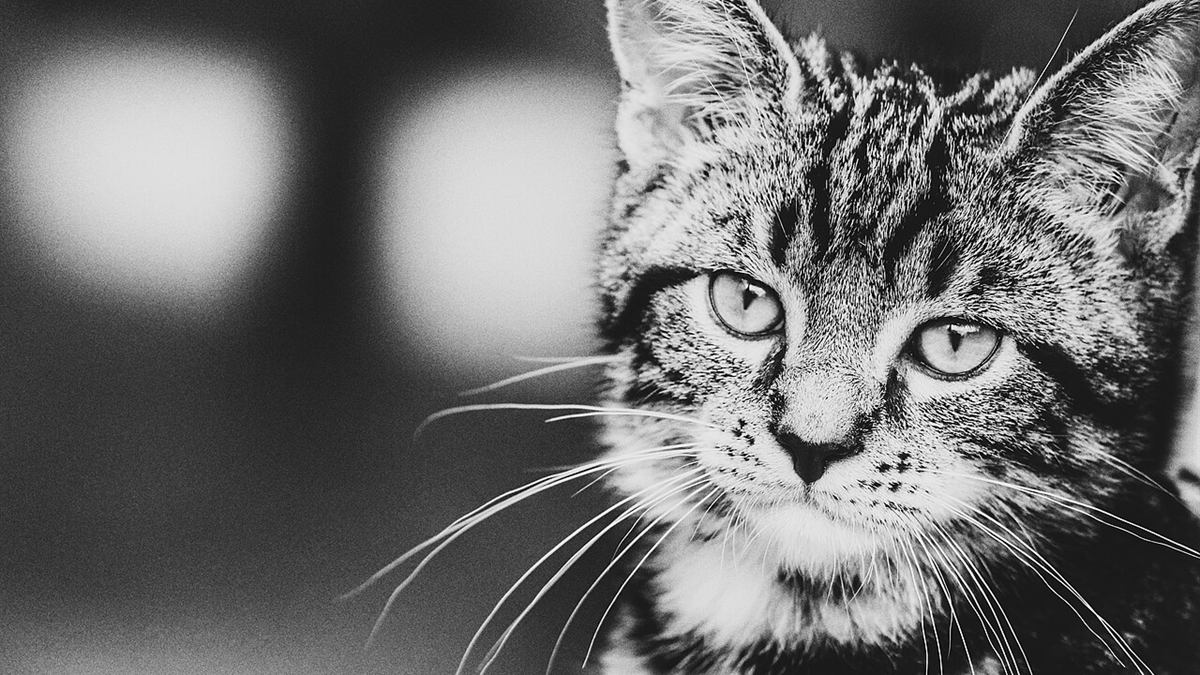
Good news for new kitten owners: litter training is usually one of the easiest parts of raising a cat. Kittens have a natural instinct to dig and bury their waste, and many arrive already knowing what to do after watching their mother. Your job is mostly to set up the right box in the right place and keep it clean. This guide covers everything you need, plus what to do when things go wrong.
For kittens, smaller and lower is better. A box with an entry of just a few inches lets tiny legs climb in without struggle. As your kitten grows, upgrade to a full-size box. Adult cats generally prefer a box about one and a half times their body length.
Many cats prefer uncovered boxes because covered boxes trap odors and can feel confining. If you want a covered box, try both and let your cat choose.
Most cats prefer fine-grained, unscented, clumping litter because it feels similar to sand. For very young kittens that may try to eat litter, some owners start with a non-clumping paper or pellet litter for the first few weeks, then switch to clumping litter gradually.
Location matters as much as the box itself. Choose a quiet place where your kitten will not be startled by noisy appliances, children or other pets. Keep the box away from food and water bowls, since cats naturally avoid eliminating near where they eat.
When your kitten first comes home, keep it in a smaller "home base" room with the litter box, food, water, bed and toys. This makes the box easy to find. Once your kitten uses the box reliably, slowly open up more of the house.
Gently place your kitten in the box after meals, after naps and after play sessions, the times when it is most likely to need to go. Let it sniff and dig. You do not need to move its paws to demonstrate; most kittens figure it out within a few tries.
When your kitten uses the box, offer calm praise or a small treat afterward. Keep the experience positive and relaxed.
Cats are fastidious. A dirty box is one of the most common reasons cats start going elsewhere. Scoop at least once a day, ideally twice. Completely replace clumping litter and wash the box with mild, unscented soap and water every two to four weeks. Avoid harsh cleaners such as ammonia or bleach, whose smell may put your cat off.
The general rule is one box per cat, plus one extra. In a multi-level home, put at least one box on each floor. This reduces competition between cats and makes sure there is always a clean, accessible option.
The box may be too small, too high, too dirty or in a busy spot. Try a larger, lower box, more frequent scooping or a quieter location.
Clean the area with an enzymatic cleaner to remove the odor completely. Temporarily place a litter box on that spot, or make the area less appealing by placing food bowls or a bed there.
A sudden change can be a sign of a medical problem, such as a urinary tract issue. Contact your veterinarian promptly, especially if your cat strains, cries, goes frequently or produces little urine. A male cat straining to urinate is an emergency.
Kittens typically start using litter around 3 to 4 weeks of age, usually by copying their mother.
Many kittens use the box consistently within a few days. Give your kitten a couple of weeks to settle into a new home.
The motion and noise can scare small kittens. Wait until your cat is older and introduce it slowly, keeping the automatic function off at first.
Once litter training is going well, keep your kitten busy and happy with our indoor cat enrichment ideas.
Scratching is normal cat behavior. Learn why cats scratch, how to choose a scratching post they will actually use, and how to protect your couch without declawing.
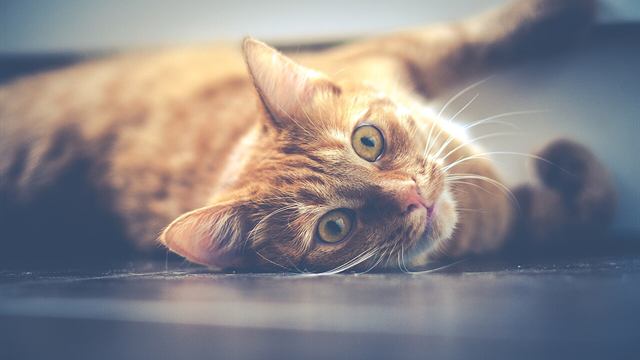
Keep your indoor cat happy, active and curious with 15 simple enrichment ideas, from play routines and food puzzles to window perches and DIY toys.
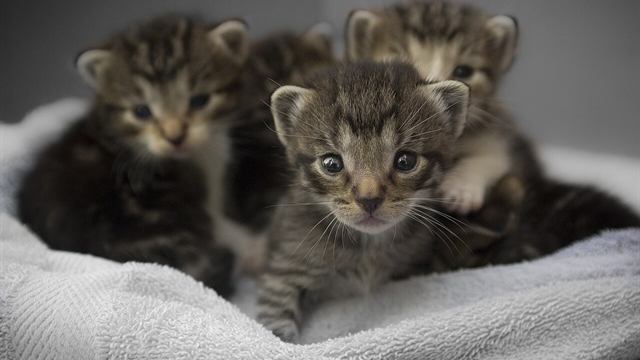
A slow, scent-first introduction plan to help your cats become friends, or at least peaceful housemates, with tips on reading body language and fixing setbacks.