Cats
How to Litter Train a Kitten in 5 Easy Steps
Most kittens take to the litter box quickly. Learn how to choose the right box and litter, where to place it, and how to fix common litter box mistakes.
Cats are masters at hiding illness. Learn the subtle warning signs every cat owner should know and which symptoms need an emergency visit.
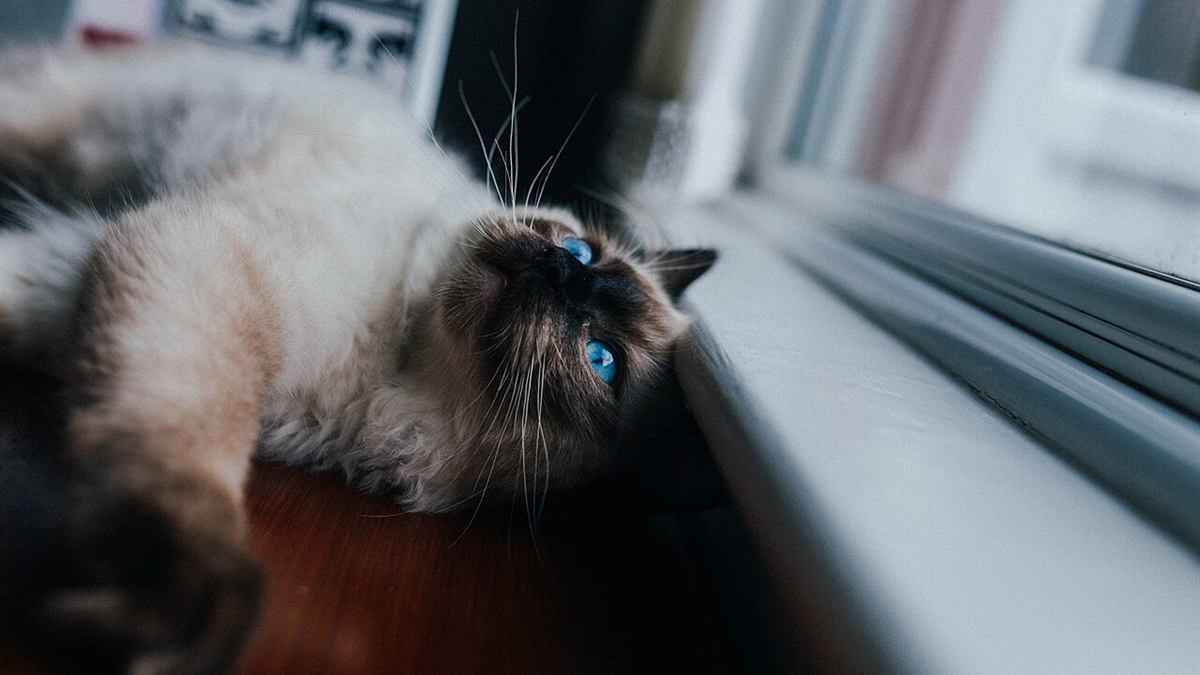
Cats are experts at hiding pain and illness. In the wild, showing weakness can make an animal a target, so cats instinctively act normal for as long as they can. By the time a cat looks obviously unwell, a problem may have been developing for a while. Learning the subtle signs helps you catch issues earlier, when they are often easier and less expensive to treat.
A cat that stops eating is always a concern. Cats that go without food for even a few days can develop a serious liver condition called hepatic lipidosis. If your cat has not eaten in 24 hours, call your vet.
Increased thirst can be a sign of kidney disease, diabetes or hyperthyroidism, all common in middle-aged and older cats. You may notice the water bowl emptying faster or larger clumps in the litter box.
Gradual weight changes are easy to miss under fur. Weigh your cat monthly or run your hands along its back and ribs to feel for changes.
Frequent visits that produce little urine, straining, crying in the box or blood in the urine can signal urinary problems. A male cat straining with little or no urine is a life-threatening emergency because of the risk of a urinary blockage. Go to a vet immediately.
Sudden accidents are often blamed on behavior, but they can be caused by pain, arthritis or illness. Check our litter box guide for setup tips, but see your vet first.
An occasional hairball is common, but frequent vomiting is not normal. Repeated vomiting, diarrhea lasting more than a day or two, or constipation needs a vet check.
If a social cat suddenly hides under the bed, it may be feeling unwell or in pain.
A greasy, unkempt or matted coat can mean your cat feels too sick or sore to groom. Over-grooming that causes bald patches can point to allergies, skin problems or stress.
Sleeping more, reluctance to jump, or moving stiffly can signal pain, including arthritis, which is very common in senior cats.
Dental disease is extremely common in cats. Bad breath, drooling, pawing at the mouth or dropping food can all point to painful teeth or gums.
New or excessive meowing, especially at night in older cats, can be linked to hyperthyroidism, high blood pressure, cognitive changes or pain.
Cats normally breathe through their nose with very little effort. Open-mouth breathing, panting, coughing or wheezing is not normal for a cat.
Look for hiding, squinting, a hunched posture, reluctance to move or jump, reduced appetite and changes in grooming or temper.
Yes. Indoor cats still develop dental disease, kidney problems, diabetes and other conditions that regular exams can catch early.
Occasional hairballs can happen, but frequent hairballs or vomiting deserve a vet visit. Regular brushing helps reduce hairballs.
Most kittens take to the litter box quickly. Learn how to choose the right box and litter, where to place it, and how to fix common litter box mistakes.
Scratching is normal cat behavior. Learn why cats scratch, how to choose a scratching post they will actually use, and how to protect your couch without declawing.
Keep your indoor cat happy, active and curious with 15 simple enrichment ideas, from play routines and food puzzles to window perches and DIY toys.