
Small Pets
Rabbit Care for Beginners: Housing, Diet and Daily Routine
Thinking about a pet rabbit? Learn what rabbits really need, from space and diet to litter training, handling and vet care, before you bring one home.
A clear list of safe vegetables, herbs, fruits and treats for pet rabbits, plus the foods that can make rabbits sick and how to introduce new foods.
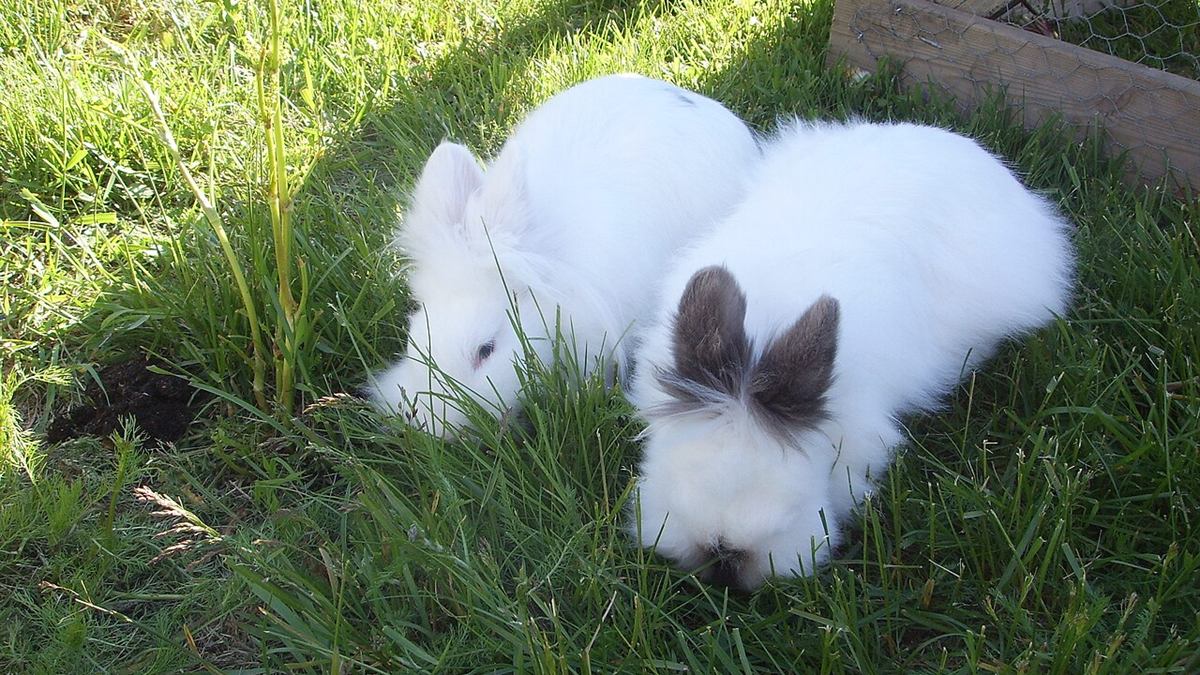
Cartoons have convinced generations of people that rabbits live on carrots. In reality, carrots are more like candy for a rabbit. A healthy rabbit diet is built on hay, with leafy greens and a small amount of pellets, plus occasional treats. This guide lists the foods that are safe for rabbits, the ones to limit and the ones to avoid entirely.
For a bigger picture of rabbit care, see our rabbit care guide for beginners.
Offer a mix of at least three different greens daily for variety. Wash all produce thoroughly.
Some greens are high in oxalates or calcium. They are fine in rotation but should not be fed in large amounts every day: spinach, kale, mustard greens, Swiss chard and beet greens.
Non-leafy vegetables are higher in sugar or starch, so offer them as small extras:
A good rule is no more than about 1 to 2 tablespoons of fruit per 5 pounds of body weight per day, and many owners offer fruit only a few times a week.
| Fruit | Notes |
|---|---|
| Apple | Remove seeds and core |
| Banana | Very sugary; a thin slice only |
| Blueberries | A few berries |
| Strawberries | Leaves are fine too |
| Pear | Remove seeds |
| Melon | Small pieces, no seeds |
| Papaya and pineapple | Small pieces, fresh only |
A rabbit's gut is sensitive. Add one new food at a time in a small amount and watch for 24 hours. If droppings become soft or your rabbit seems uncomfortable, remove that food. Baby rabbits under about 12 weeks should eat mainly hay and pellets, with greens introduced slowly afterward.
If your rabbit stops eating or producing droppings, contact an exotic pet vet right away. This can signal gastrointestinal stasis, which is an emergency.
Carrots are high in sugar, so a small slice a few times a week is plenty. The green carrot tops are a healthier daily option.
Fresh grass is natural food for rabbits, but only if it is free of pesticides, fertilizers and animal waste. Introduce it gradually.
Many foods overlap, but guinea pigs also need vitamin C every day. See our guinea pig care guide.
Thinking about a pet rabbit? Learn what rabbits really need, from space and diet to litter training, handling and vet care, before you bring one home.

Everything new owners need to know about guinea pig care, including cage size, daily vitamin C, safe foods, bedding and why guinea pigs need a friend.
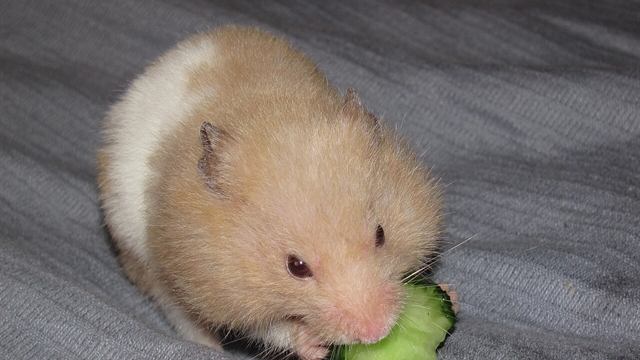
A modern hamster care guide covering cage size, deep bedding, the right wheel, healthy diet and gentle taming tips for Syrian and dwarf hamsters.