
Small Pets
Rabbit Care for Beginners: Housing, Diet and Daily Routine
Thinking about a pet rabbit? Learn what rabbits really need, from space and diet to litter training, handling and vet care, before you bring one home.
Everything new owners need to know about guinea pig care, including cage size, daily vitamin C, safe foods, bedding and why guinea pigs need a friend.
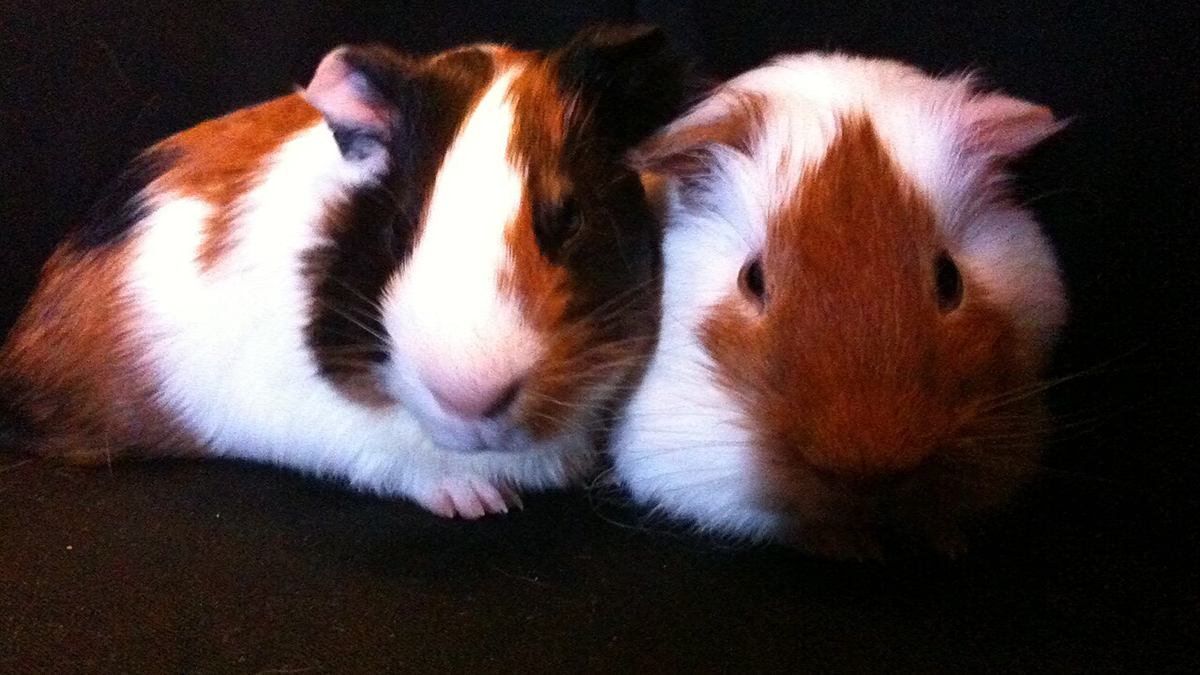
Guinea pigs, also called cavies, are gentle, chatty and full of character. They greet their favorite people with excited squeaks called "wheeks," purr when content and pop into the air when happy. They are a popular choice for families, but they need more space, social contact and nutritional care than many people realize. Here is how to give your guinea pigs a happy, healthy life.
In the wild, guinea pigs live in groups. A single guinea pig can become lonely and stressed, even with lots of human attention. Keep at least two guinea pigs together. Common pairings include two females, two males raised together, or a neutered male with one or more females. Some countries even require guinea pigs to be kept with a companion, which shows how important social contact is for them.
Guinea pigs need room to run, explore and "zoom." Many store-bought cages are too small. Guinea pig welfare groups commonly recommend:
| Number of guinea pigs | Minimum floor space |
|---|---|
| 2 | 7.5 sq ft (about 30 x 36 in); 10.5 sq ft preferred |
| 3 | 10.5 sq ft; 13 sq ft preferred |
| 4 | 13 sq ft or more |
Guinea pigs do not climb well, so floor space matters far more than height. Many owners use C&C (cubes and coroplast) cages, which are affordable and easy to expand.
Unlimited grass hay such as timothy or orchard grass should make up most of the diet. Guinea pig teeth grow continuously, and chewing hay wears them down.
Like humans, guinea pigs cannot make their own vitamin C. Without enough, they can develop scurvy, causing joint pain, weakness, poor appetite and a rough coat. Adult guinea pigs typically need roughly 10 to 30 mg per day, with more during illness or pregnancy. Good sources include:
Choose a fresh, high-quality pellet made specifically for guinea pigs, which contains stabilized vitamin C. Vitamin C added to drinking water breaks down quickly and can discourage drinking, so most vets prefer food sources or tablets they recommend.
Offer about one cup of fresh vegetables per guinea pig daily, focusing on leafy greens and bell peppers. Many safe foods overlap with rabbits; see what rabbits can eat for ideas, but always double-check guinea pig specifics. Avoid iceberg lettuce, onions, garlic, potatoes, avocado, chocolate and seeds.
Guinea pigs are naturally cautious. Let them get used to your voice and hand-feed treats before picking them up. To lift a guinea pig, place one hand under its chest and the other under its rear, holding it close to your body. Children should sit on the floor when holding a guinea pig to prevent falls.
Typically 5 to 7 years, and sometimes longer with good care.
It is not recommended. Rabbits can injure guinea pigs, they have different diets and rabbits can carry bacteria that cause illness in guinea pigs.
Their calm nature makes them one of the better small pets for families, with adult supervision. See the best small pets for kids.
Thinking about a pet rabbit? Learn what rabbits really need, from space and diet to litter training, handling and vet care, before you bring one home.
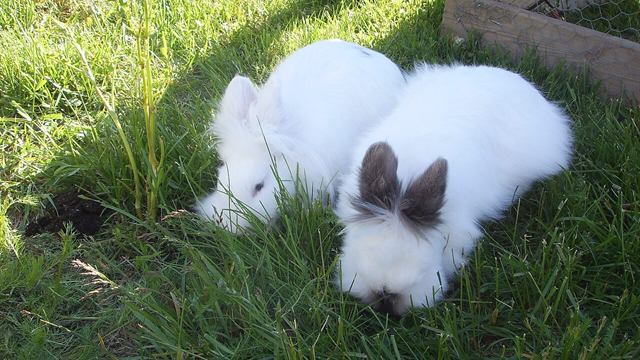
A clear list of safe vegetables, herbs, fruits and treats for pet rabbits, plus the foods that can make rabbits sick and how to introduce new foods.
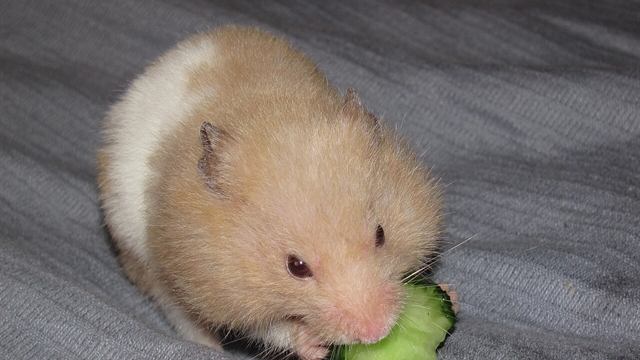
A modern hamster care guide covering cage size, deep bedding, the right wheel, healthy diet and gentle taming tips for Syrian and dwarf hamsters.