
Small Pets
Rabbit Care for Beginners: Housing, Diet and Daily Routine
Thinking about a pet rabbit? Learn what rabbits really need, from space and diet to litter training, handling and vet care, before you bring one home.
Compare guinea pigs, rabbits, hamsters, rats, fish and more to find the right first small pet for your child, based on age, handling and care needs.
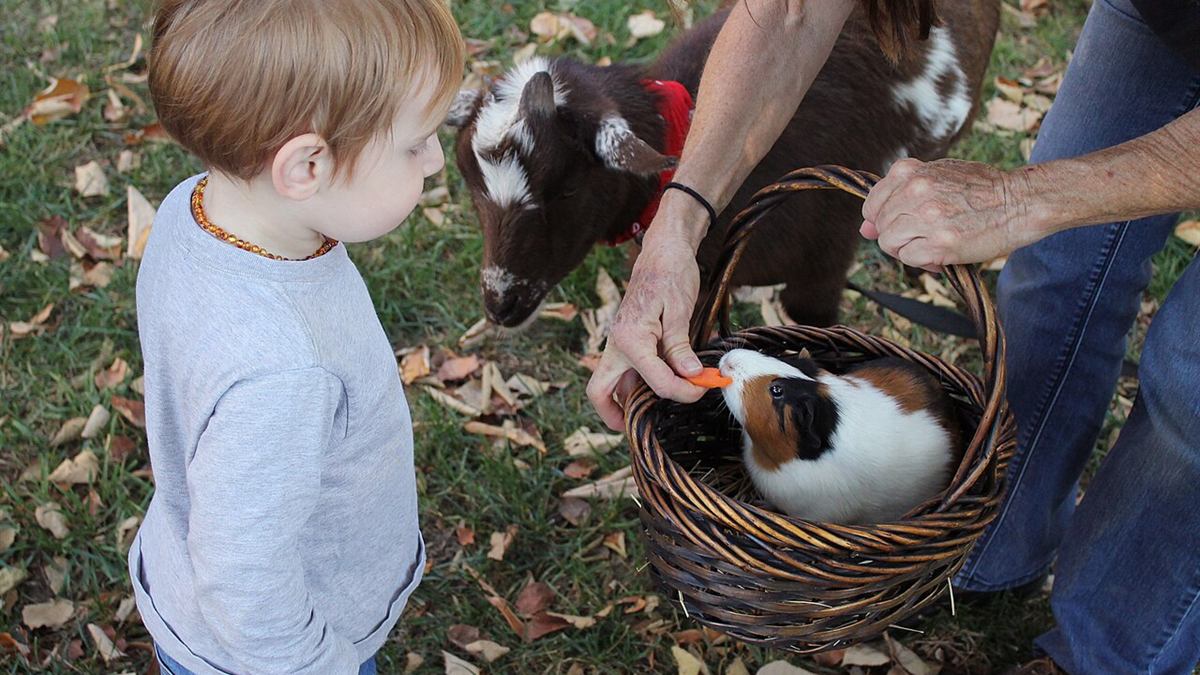
A first pet can teach children responsibility, empathy and gentleness. But the "easy starter pet" is often a myth. Many small animals are fragile, nocturnal or need more care than expected, which can lead to disappointment for both the child and the animal. This guide compares popular small pets honestly so you can choose one that fits your child's age and your family's routine.
| Pet | Lifespan | Handling | Best for ages |
|---|---|---|---|
| Guinea pigs (pair) | 5 to 7 years | Usually gentle and tolerant | 6+ with supervision |
| Pet rats (pair) | 2 to 3 years | Very social, affectionate | 8+ |
| Rabbits (pair) | 8 to 12 years | Often dislike being held | Families, older kids |
| Hamster | 2 to 3 years | Can nip if woken | 10+ |
| Fish (betta or community tank) | Varies | Watch only | Any age with adult help |
| Budgie | 5 to 10+ years | Can be hand-tamed | 8+ |
Guinea pigs are active during the day, rarely bite and often "wheek" happily when their family comes near. They need a large cage, daily vitamin C and a companion guinea pig. They are a wonderful choice for families willing to invest in proper housing. Learn more in our guinea pig care guide.
Many people are surprised to learn that pet rats are among the friendliest small animals. They are intelligent, can learn tricks and often seek out human attention. They should live in same-sex pairs or groups. Their main drawback is a short lifespan of about two to three years, which can be hard for children.
Rabbits are affectionate and fun, but they are fragile, can scratch or kick when picked up and live a long time. They do best with families who enjoy sitting on the floor and letting the rabbit come to them. Read our rabbit care guide for beginners before deciding.
Hamsters are fun to watch but sleep during the day and are most active in the evening and at night. Waking them can lead to bites. A patient child aged about 10 or older can enjoy taming a Syrian hamster. Our hamster care guide explains the modern setup they need.
An aquarium teaches responsibility through feeding and water care, with no risk of bites or allergies. A betta in a heated 5-gallon tank or a small community tank is a great family project. Start with our guide to setting up a freshwater aquarium.
Budgies (parakeets) are cheerful, small birds that can learn to perch on a finger and even mimic words. They need daily attention and time out of the cage. See our budgie care guide.
Young children usually do best with pets they can watch and help care for, such as fish, with an adult leading daily care.
Guinea pigs are usually the better choice for younger children because they are awake during the day and less likely to bite.
Many shelters and small animal rescues have rabbits, guinea pigs and other small pets looking for homes, often already spayed or neutered.
Thinking about a pet rabbit? Learn what rabbits really need, from space and diet to litter training, handling and vet care, before you bring one home.

A clear list of safe vegetables, herbs, fruits and treats for pet rabbits, plus the foods that can make rabbits sick and how to introduce new foods.

Everything new owners need to know about guinea pig care, including cage size, daily vitamin C, safe foods, bedding and why guinea pigs need a friend.