Fish
10 Best Freshwater Fish for Beginners (Hardy and Peaceful)
Discover 10 hardy, colorful and peaceful freshwater fish that are perfect for a first aquarium, with tank size, temperature and tankmate tips.
Everything you need to set up your first freshwater fish tank, from choosing equipment to cycling the water, so your fish stay healthy from day one.
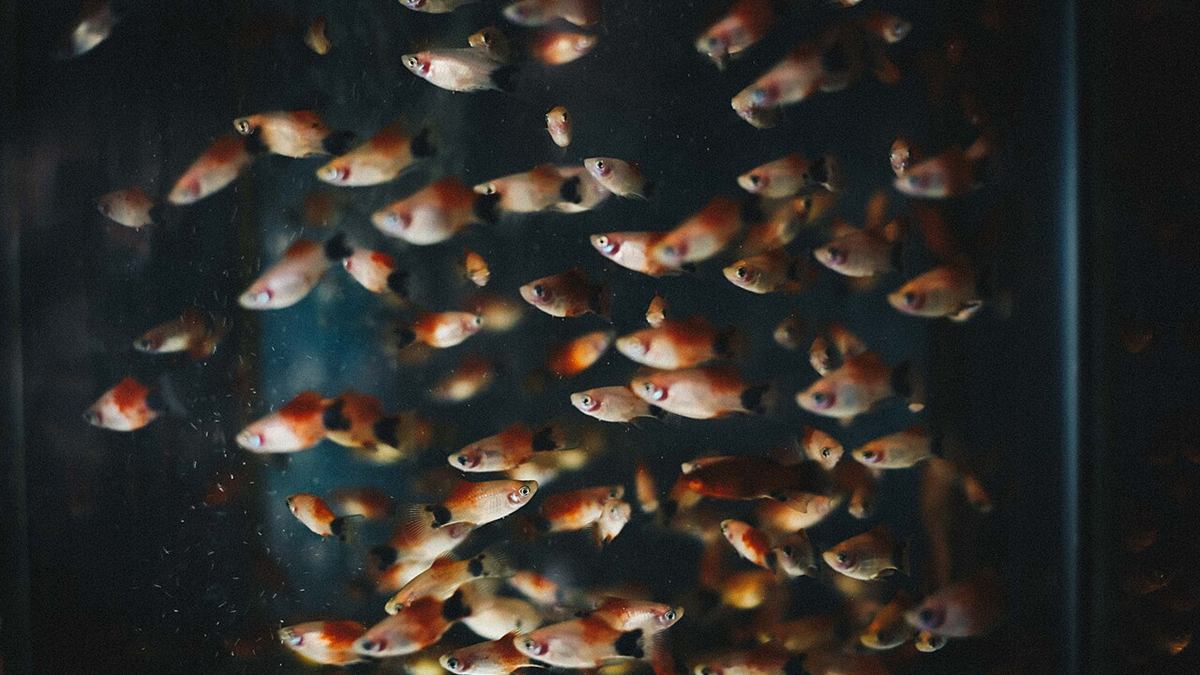
A well-planned aquarium is a calming, living piece of art. But many new fishkeepers lose their first fish within weeks, usually because the tank was not ready when the fish arrived. The most important lesson in fishkeeping is this: you are really keeping water, and the fish live in it. This guide walks you through a beginner setup, including the crucial step most people skip, cycling the tank.
It sounds backward, but a larger tank is easier to care for than a tiny one. More water dilutes waste and keeps temperature and chemistry stable, so mistakes are less likely to harm your fish. For beginners, a 20 to 40 gallon tank is a great starting point. Small tanks of 5 to 10 gallons can work for a single betta or a few tiny species, but they need closer attention.
Remember that water is heavy: roughly 8.3 pounds per gallon, plus the weight of glass, gravel and decor. Place your tank on a sturdy stand designed for aquariums, away from direct sunlight and heating or cooling vents.
Fish produce ammonia through their waste and gills, and ammonia is toxic. In a healthy aquarium, beneficial bacteria convert ammonia into nitrite (also toxic) and then into nitrate, which is far less harmful and removed with water changes. This process is called the nitrogen cycle. A new tank does not have these bacteria yet.
The safest method is a fishless cycle:
Cycling usually takes about 4 to 8 weeks. Bottled beneficial bacteria products can sometimes speed it up. It is worth the wait.
Choose hardy, peaceful species that suit your tank size; see our list of the best freshwater fish for beginners. Add only a few fish at a time and wait a week or two between additions so the bacteria can catch up with the extra waste.
To acclimate new fish, float the sealed bag in the tank for about 15 minutes to match temperature, then gently add small amounts of tank water over the next 15 to 20 minutes. Net the fish into the tank and discard the store water.
Learn more in our guide on how often to clean a fish tank.
It is not recommended. Without beneficial bacteria, ammonia builds up quickly and can harm or kill fish. This is often called "new tank syndrome."
It depends on the species, adult size, activity level and filtration. Research each species' adult size and needs instead of relying on simple formulas.
No, but easy plants like Java fern, Anubias and Amazon swords help absorb nitrate and give fish cover.
Discover 10 hardy, colorful and peaceful freshwater fish that are perfect for a first aquarium, with tank size, temperature and tankmate tips.
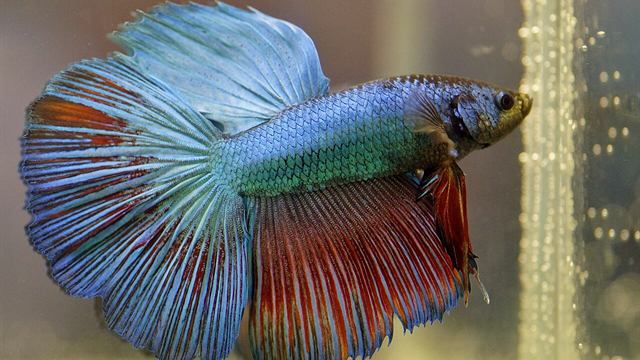
Give your betta a long, healthy life with this complete care guide covering tank size, water temperature, diet, tankmates and common health problems.
A clear daily, weekly and monthly aquarium cleaning schedule, with step-by-step water change instructions and tips to keep algae under control.