Fish
How to Set Up a Freshwater Aquarium for Beginners (Step by Step)
Everything you need to set up your first freshwater fish tank, from choosing equipment to cycling the water, so your fish stay healthy from day one.
Give your betta a long, healthy life with this complete care guide covering tank size, water temperature, diet, tankmates and common health problems.
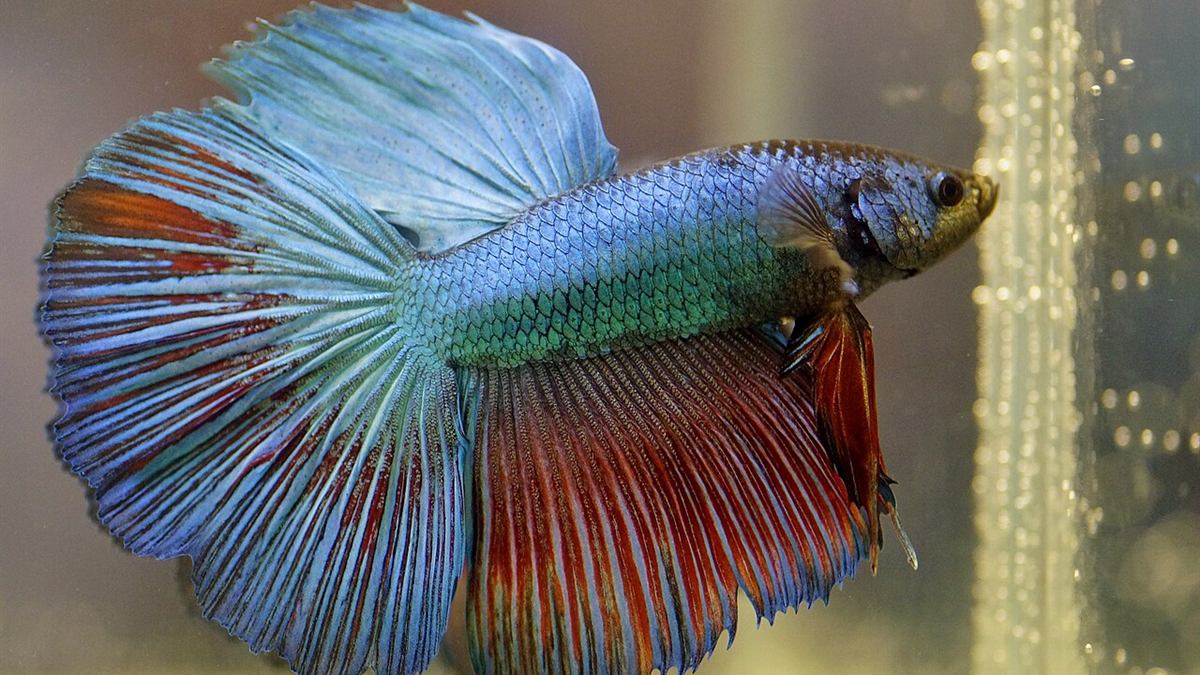
Betta fish, also called Siamese fighting fish, are one of the most popular pet fish in America. With their bright colors and curious personalities, it is easy to see why. Unfortunately, bettas are often sold in tiny cups and kept in small unheated bowls, which leads to stress and short lives. With the right setup, a betta can live 3 to 5 years, sometimes longer, and show a surprising amount of personality.
Wild bettas live in the shallow rice paddies, marshes and slow streams of Southeast Asia. These waters are warm, often full of plants and fairly calm. Bettas have a special organ called the labyrinth organ that lets them breathe air from the surface. This helps them survive in low-oxygen water, but it does not mean they thrive in small, dirty containers.
Before adding your betta, cycle the tank so beneficial bacteria can handle waste. Our guide to setting up a freshwater aquarium explains how.
| Parameter | Target |
|---|---|
| Temperature | 76 to 82°F |
| pH | About 6.5 to 7.5 |
| Ammonia | 0 ppm |
| Nitrite | 0 ppm |
| Nitrate | Under 20 to 40 ppm |
Change about 20 to 30% of the water weekly with conditioned tap water at the same temperature. Avoid sudden large swings in temperature or water chemistry.
Bettas are carnivores. Feed a high-quality betta pellet or micro pellet as the main diet, offering only as much as your betta eats in about two minutes, once or twice a day. A few pellets is usually enough; a betta's stomach is roughly the size of its eye.
Add variety with frozen or freeze-dried foods such as bloodworms or brine shrimp a couple of times a week. Many keepers fast their betta one day a week to support digestion.
Male bettas must never share a tank with other male bettas, as they will fight. Some bettas can live peacefully in a community tank of 10 gallons or more with calm, small, non-nipping species such as corydoras, small rasboras or nerite snails. Others are too territorial. Always have a backup plan in case your betta is aggressive or gets bullied. Avoid fin-nippers like tiger barbs and other brightly colored, long-finned fish like fancy guppies.
Ragged, shrinking or discolored fins are usually caused by poor water quality. Improve water quality with more frequent water changes and check your parameters.
Tiny white spots that look like salt grains are a common parasite. Treat with an appropriate medication following the label and check with an aquatic vet or experienced fish store if unsure.
Often linked to overfeeding. Fasting for a day or two and feeding smaller portions often helps.
A betta that sits at the bottom with fins held tight may be cold or stressed. Check the heater and test the water.
Bowls are too small to keep water warm, clean and stable. A heated, filtered tank of 5 gallons or more is the humane standard.
Bettas are not schooling fish and do not need companions. They do benefit from enrichment like plants, caves and gentle interaction.
With good care, often 3 to 5 years. For more beginner-friendly options, see the best freshwater fish for beginners.
Everything you need to set up your first freshwater fish tank, from choosing equipment to cycling the water, so your fish stay healthy from day one.
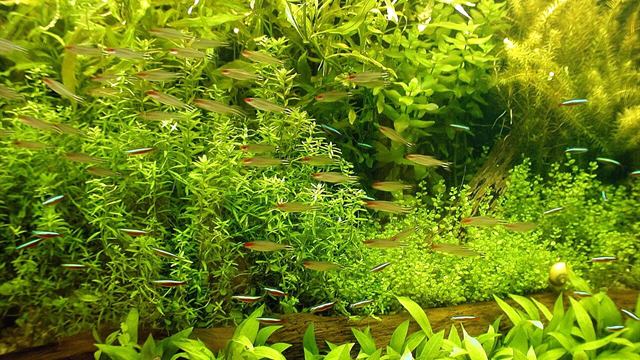
Discover 10 hardy, colorful and peaceful freshwater fish that are perfect for a first aquarium, with tank size, temperature and tankmate tips.
A clear daily, weekly and monthly aquarium cleaning schedule, with step-by-step water change instructions and tips to keep algae under control.