Fish
How to Set Up a Freshwater Aquarium for Beginners (Step by Step)
Everything you need to set up your first freshwater fish tank, from choosing equipment to cycling the water, so your fish stay healthy from day one.
A clear daily, weekly and monthly aquarium cleaning schedule, with step-by-step water change instructions and tips to keep algae under control.
A clean aquarium is not just about clear glass. What really matters is invisible: the levels of ammonia, nitrite and nitrate in the water. A simple, consistent routine keeps those levels safe, prevents algae outbreaks and helps your fish live long, healthy lives. Here is exactly what to do and how often.
Fish waste, leftover food and decaying plants break down into ammonia. Beneficial bacteria in your filter convert it into nitrite and then nitrate. Nitrate is much less toxic, but it keeps building up over time. Partial water changes are the main way to remove it. Learn more about this nitrogen cycle in our guide to setting up a freshwater aquarium.
| How often | Task |
|---|---|
| Daily | Feed, check fish for unusual behavior, confirm heater and filter are working, check temperature |
| Weekly | Change 20 to 30% of water, vacuum gravel, wipe algae from glass, test water |
| Every 2 to 4 weeks | Rinse filter media in removed tank water, trim plants |
| Monthly | Clean filter intake and tubes, check equipment, wipe lid and light |
| As needed | Replace filter cartridges only when falling apart; replace bulbs or equipment |
Heavily stocked tanks or messy fish such as goldfish may need larger or more frequent water changes. Lightly stocked, well-planted tanks may need less. Your test kit is the best guide: many keepers aim to keep nitrate below about 20 to 40 ppm.
Your filter is home to most of the beneficial bacteria that keep fish safe. Cleaning it too thoroughly, or with tap water, can wipe out those bacteria and cause an ammonia spike.
A little algae is normal and harmless. Excess algae usually means too much light, too many nutrients or both.
If you see these signs, test the water and do a partial water change. If fish show signs of illness, consult an aquatic veterinarian or experienced fish store.
No. Removing fish causes unnecessary stress. Routine cleaning can be done with fish in the tank.
Conditioned tap water is usually best. Distilled or reverse osmosis water lacks minerals and should not be used alone without remineralizing.
New tanks often go through a bacterial bloom that clears on its own in a few days. Keep testing and avoid overfeeding.
Everything you need to set up your first freshwater fish tank, from choosing equipment to cycling the water, so your fish stay healthy from day one.
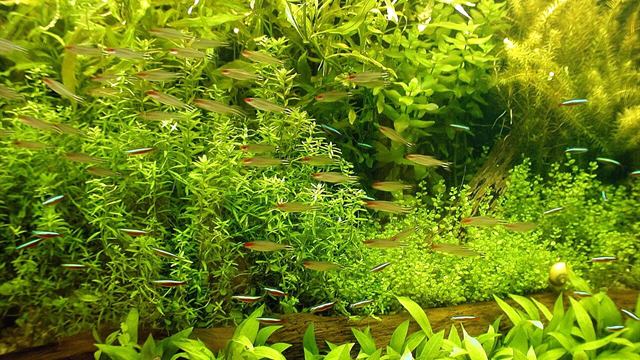
Discover 10 hardy, colorful and peaceful freshwater fish that are perfect for a first aquarium, with tank size, temperature and tankmate tips.
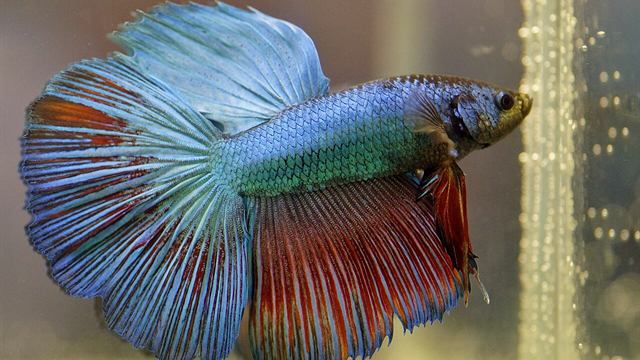
Give your betta a long, healthy life with this complete care guide covering tank size, water temperature, diet, tankmates and common health problems.