Birds
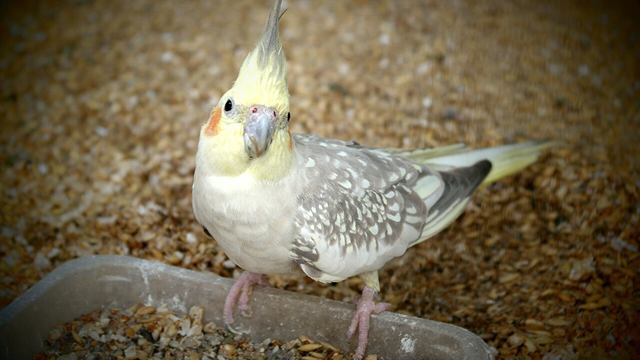
Cockatiel Care Guide: Housing, Diet, Behavior and Health
Everything you need to know about cockatiel care, from cage setup and a healthy diet to understanding crest signals, night frights and common health issues.
Learn how to care for a pet budgie, including cage size, a healthy diet beyond seeds, daily out-of-cage time, companionship and signs of illness.
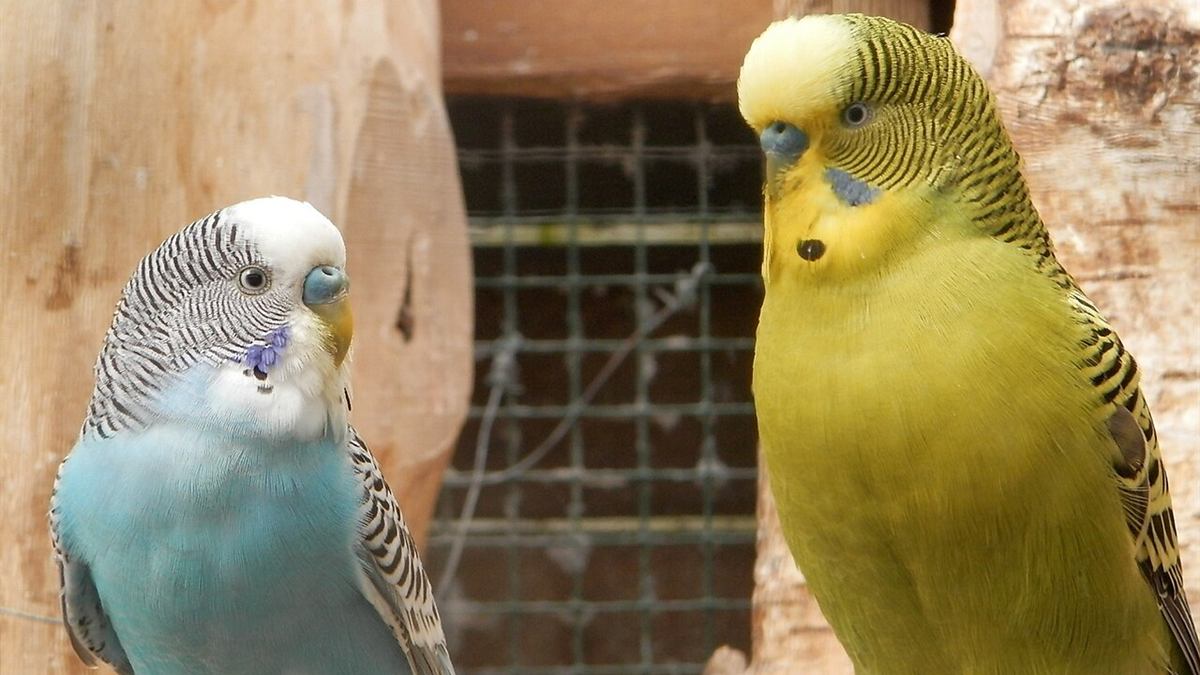
Budgerigars, better known in the U.S. as parakeets or budgies, are one of the most popular pet birds in the world. They are small, colorful, playful and surprisingly smart. Many budgies learn to step onto a finger, whistle tunes and even talk. Because they are affordable and small, they are sometimes treated as simple starter pets, but budgies have real needs for space, social contact and a varied diet. Meet those needs and you will have a cheerful companion for 5 to 10 years or more.
Budgies fly horizontally, so width matters more than height. For one or two budgies, aim for a cage at least about 30 inches wide, 18 inches deep and 18 inches tall, and bigger is always better. Bar spacing should be no more than about half an inch so heads cannot get stuck.
Wild budgies eat a variety of grass seeds, but pet budgies on an all-seed diet often develop obesity and nutritional deficiencies. Avian vets generally recommend a balanced mix:
| Food | Portion of diet |
|---|---|
| Pellets formulated for small birds | Often around half or more, as advised by your vet |
| Fresh vegetables and leafy greens | A daily serving |
| Quality seed mix | Smaller portion, useful for training rewards |
| Fruit | Small amounts as treats |
| Fresh water | Changed daily |
Switching a seed-eating budgie to pellets should be done slowly, mixing pellets into seed over several weeks while watching that your bird is actually eating. For a list of safe and toxic foods, see our guide to safe foods for pet birds.
Budgies are flock animals. A single budgie can thrive with lots of daily human attention, and single birds are often easier to hand-tame. If you are away for long hours, a pair of budgies will keep each other company. Two males or a male and female usually get along well; two females can sometimes squabble.
Budgies need daily exercise outside the cage, ideally at least an hour or two in a bird-safe room. Before letting your bird out:
With patience, most budgies can learn to step up onto your finger. Start by sitting near the cage and talking softly, then offer millet sprays through the bars, then inside the cage. Our bird taming guide walks through it step by step.
Males are usually the more talkative sex. Repeat short words and phrases in a cheerful voice during calm moments, and your budgie may start to copy you.
Birds instinctively hide illness, so even small changes matter:
Contact an avian vet promptly if you notice these signs.
Typically 5 to 10 years, and some live into their teens with excellent care.
They chirp and chatter throughout the day, but they are much quieter than larger parrots.
Both make excellent first birds. Compare them in our guide to the best pet birds for beginners.
Everything you need to know about cockatiel care, from cage setup and a healthy diet to understanding crest signals, night frights and common health issues.
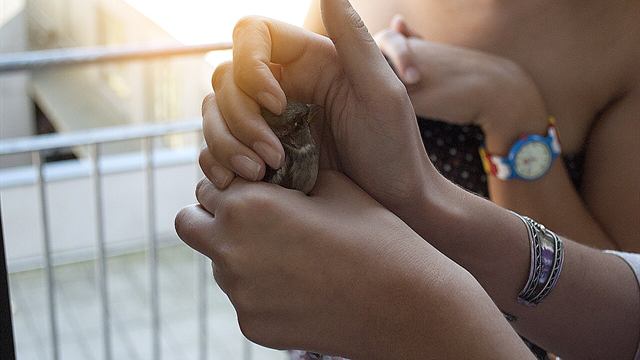
A patient, trust-based method to tame a budgie, cockatiel or other pet bird, including how to teach step up, use treats and read signs of stress.
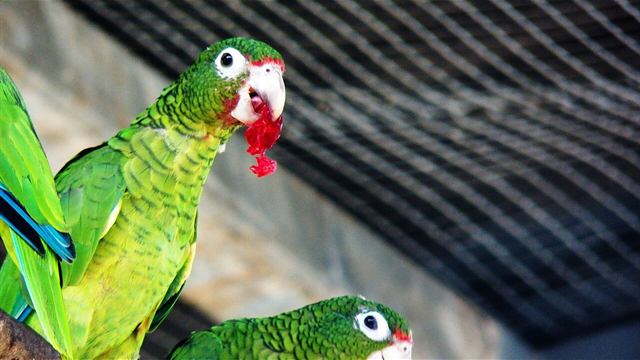
A handy list of safe fruits, vegetables and grains for parrots, budgies and cockatiels, plus the dangerous foods and household hazards every bird owner should know.