Birds
Budgie (Parakeet) Care Guide for Beginners
Learn how to care for a pet budgie, including cage size, a healthy diet beyond seeds, daily out-of-cage time, companionship and signs of illness.
A patient, trust-based method to tame a budgie, cockatiel or other pet bird, including how to teach step up, use treats and read signs of stress.
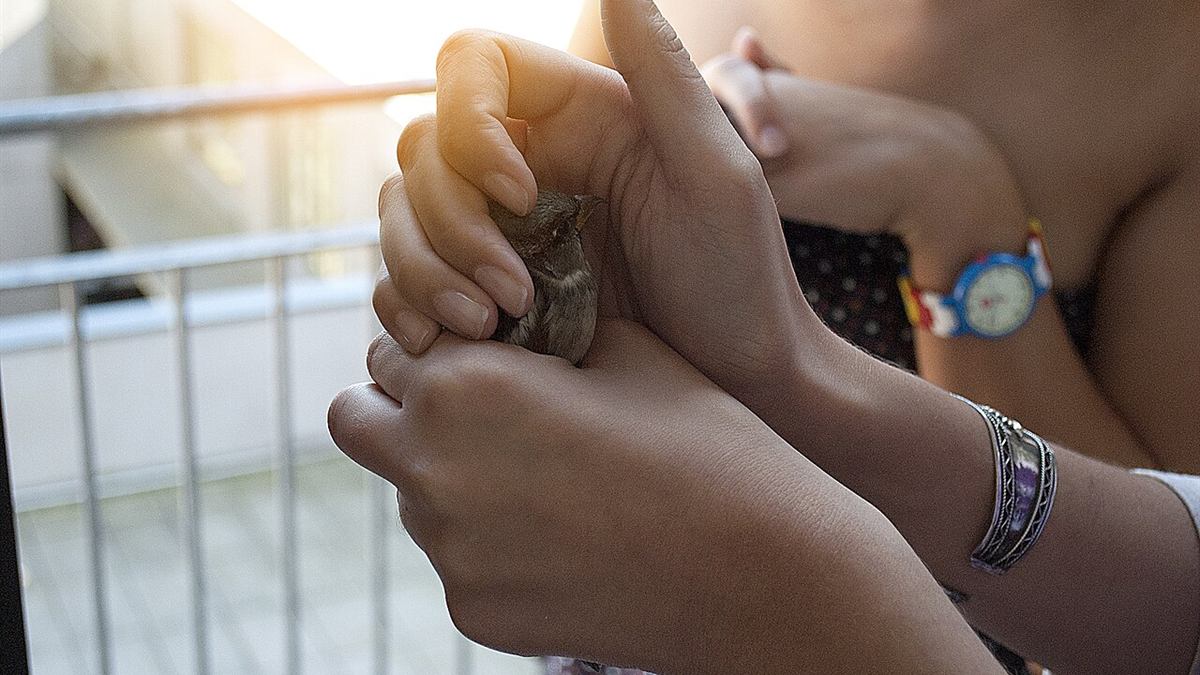
A new pet bird may be nervous, flighty or even bite at first. That is not because it is a "mean" bird; it is because birds are prey animals, and big human hands can look like a threat. The good news is that most budgies, cockatiels and other parrots can become hand-tame with gentle, consistent training. The key is to go at your bird's pace and make every interaction a positive one.
For the first few days, keep your bird's environment calm. Sit near the cage, read or talk softly, and move slowly. Avoid reaching into the cage except to change food and water. This helps your bird learn that you are part of the normal, safe environment.
Birds work for food just like dogs do. Discover which treat your bird loves most, such as a millet spray for budgies and cockatiels, or a sunflower seed or small piece of fruit for some parrots. Reserve this favorite treat for training sessions so it stays special.
Watch for signs of comfort or stress before moving closer:
If you see stress signs, back off a little and try again later at a greater distance.
Hold the treat near the cage bars and wait. Let your bird approach and take it. Once your bird reliably comes for the treat, offer it from the cage door, then gradually from inside the cage. Keep your hand still and low; hands coming from above can look like a predator.
Once your bird steps up reliably inside the cage, slowly bring it out while it is on your hand. Start in a small, bird-safe room with windows and doors closed, fans off and other pets away. Keep the first outings short, then return your bird to its cage with a treat.
Birds usually bite because they are scared, overstimulated, hormonal or trying to say "no." To reduce biting:
It depends on the bird's age, species and history. Young, hand-fed birds may step up within days. Older or previously frightened birds may need weeks or months. Consistent, short daily sessions work better than occasional long ones.
Once your bird is tame, keep training fun. Teach new behaviors like target training, turning around or recall to your hand. Training is great mental enrichment and strengthens your bond. For species-specific tips, see our budgie care guide and cockatiel care guide.
Wing clipping is a personal and debated decision. It can reduce escape risk, but flight is important exercise and confidence for birds. Discuss it with an avian vet, and never clip a bird's wings yourself without training.
Single birds often bond with people faster. Pairs may be more interested in each other, but they can still be tamed with patience.
Cockatiels and budgies are among the easiest. Compare options in the best pet birds for beginners.
Learn how to care for a pet budgie, including cage size, a healthy diet beyond seeds, daily out-of-cage time, companionship and signs of illness.
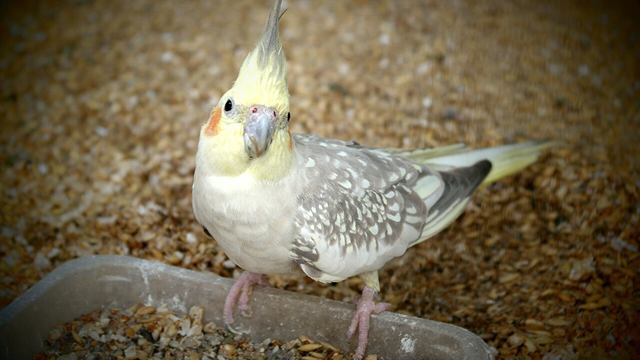
Everything you need to know about cockatiel care, from cage setup and a healthy diet to understanding crest signals, night frights and common health issues.
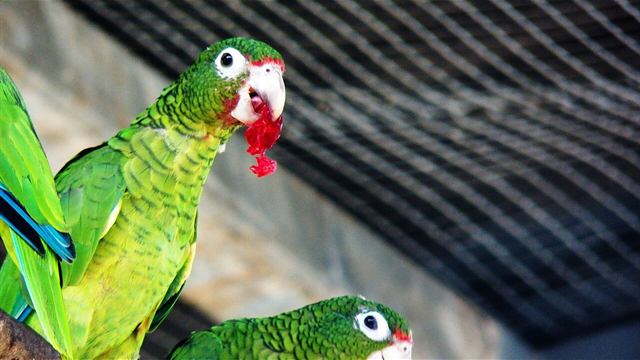
A handy list of safe fruits, vegetables and grains for parrots, budgies and cockatiels, plus the dangerous foods and household hazards every bird owner should know.