Birds
Budgie (Parakeet) Care Guide for Beginners
Learn how to care for a pet budgie, including cage size, a healthy diet beyond seeds, daily out-of-cage time, companionship and signs of illness.
Compare 8 beginner-friendly pet birds, from budgies and cockatiels to canaries and green-cheeked conures, by size, noise level, lifespan and personality.
Birds can be wonderful companions: social, intelligent and full of personality. But species vary hugely in size, noise, lifespan and how much attention they need. A large parrot that lives 50 years and screams at sunrise is a very different commitment than a pair of finches. If you are new to birds, these eight species are some of the most beginner-friendly options available in the United States.
| Bird | Size | Lifespan | Noise | Handling |
|---|---|---|---|---|
| Budgie | 7 in | 5 to 10+ yrs | Low to moderate | Yes |
| Cockatiel | 12 to 13 in | 15 to 20+ yrs | Moderate | Yes |
| Canary | 4 to 8 in | 8 to 12 yrs | Low (singing) | Watch only |
| Zebra and society finches | 4 in | 5 to 10 yrs | Low (chirping) | Watch only |
| Green-cheeked conure | 10 in | 15 to 25+ yrs | Moderate | Yes |
| Parrotlet | 5 in | 15 to 20 yrs | Low | Yes, can be feisty |
| Lovebird | 6 in | 10 to 15+ yrs | Moderate to high | Yes, if hand-tamed |
| Dove (diamond or ringneck) | 8 to 12 in | 10 to 20+ yrs | Low (cooing) | Gentle |
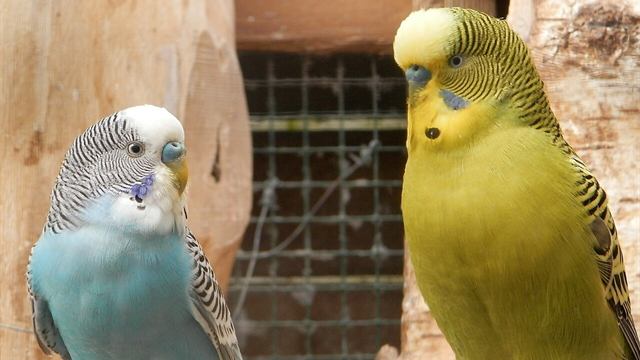
Budgies are the classic first bird. They are small, affordable to keep, playful and can learn to talk. They can be hand-tamed with patience and do well alone with lots of attention or in pairs. Read our budgie care guide.
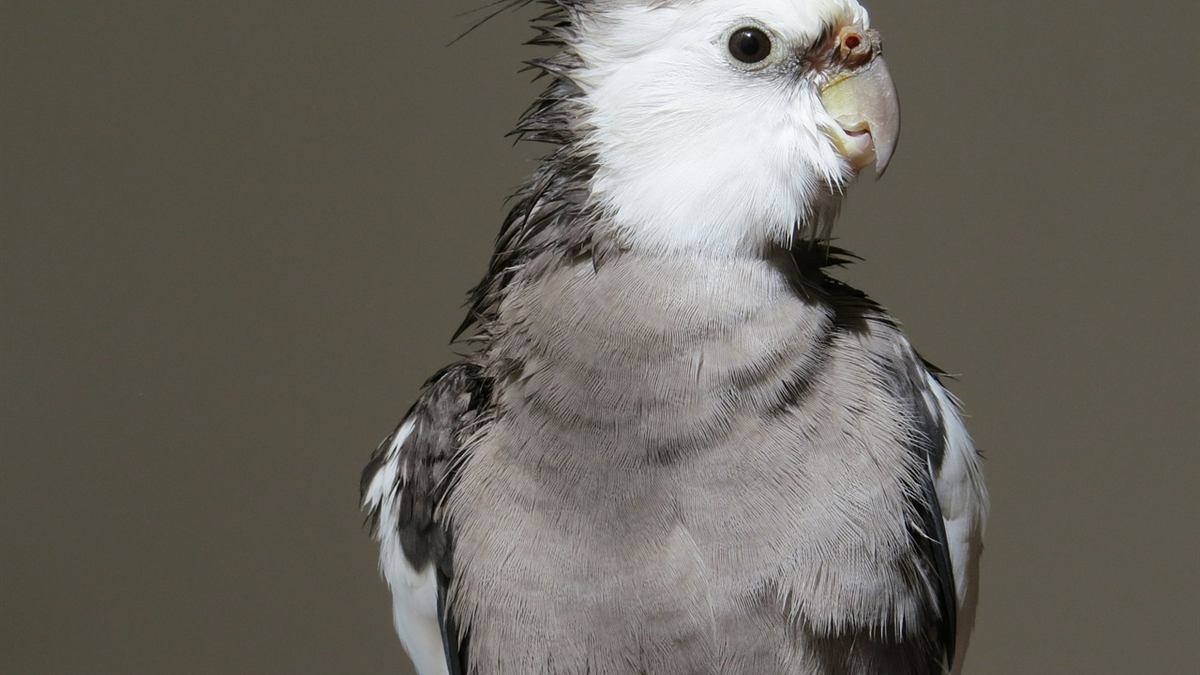
Cockatiels are gentle, affectionate and known for whistling. Many enjoy head scratches and sitting on shoulders. They are a long-term commitment but one of the best "cuddly" beginner birds. See our cockatiel care guide.
Canaries are perfect for people who want a beautiful bird to watch and listen to rather than handle. Male canaries are known for their lovely songs. They usually do best alone or in a large aviary, and they need a long cage for flying.
Zebra and society finches are lively, social birds that live in pairs or small groups. They are fun to observe but generally do not like to be handled. A wide flight cage is essential because they get their exercise by flying.
If you want a bigger parrot personality without the volume of large conures, the green-cheeked conure is a popular choice. They are playful, cuddly and clownish, and they are quieter than many other conures. They need lots of toys, training and interaction.
Parrotlets are tiny parrots with big attitudes. They are quiet, making them good for apartments, but they can be bold and nippy without consistent, gentle training.
Lovebirds are colorful and active. Despite the name, they do not need to be kept in pairs. A single, hand-tamed lovebird can bond strongly with its owner. They can be territorial and louder than their size suggests.
Diamond doves and ringneck doves are calm, gentle and quiet, with soft cooing sounds. They are often overlooked but can be excellent pets for people who want a peaceful bird.
Large parrots such as cockatoos, macaws, Amazon parrots and African greys are intelligent and loving, but they are loud, need many hours of attention each day, can be destructive and often live 40 to 60 years or more. They are best for experienced owners who are ready for a lifelong commitment.
Doves, finches, canaries and parrotlets tend to be among the quietest options.
Budgies are often the best talkers among small, beginner-friendly birds, especially males.
Start slowly with treats and short sessions. Our bird taming guide explains the step-up method.
Learn how to care for a pet budgie, including cage size, a healthy diet beyond seeds, daily out-of-cage time, companionship and signs of illness.
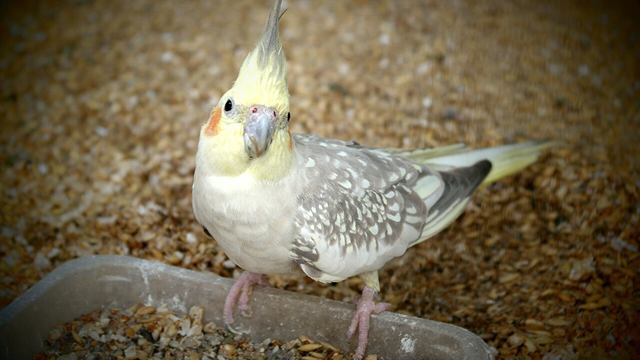
Everything you need to know about cockatiel care, from cage setup and a healthy diet to understanding crest signals, night frights and common health issues.

A patient, trust-based method to tame a budgie, cockatiel or other pet bird, including how to teach step up, use treats and read signs of stress.