Birds
Budgie (Parakeet) Care Guide for Beginners
Learn how to care for a pet budgie, including cage size, a healthy diet beyond seeds, daily out-of-cage time, companionship and signs of illness.
Everything you need to know about cockatiel care, from cage setup and a healthy diet to understanding crest signals, night frights and common health issues.
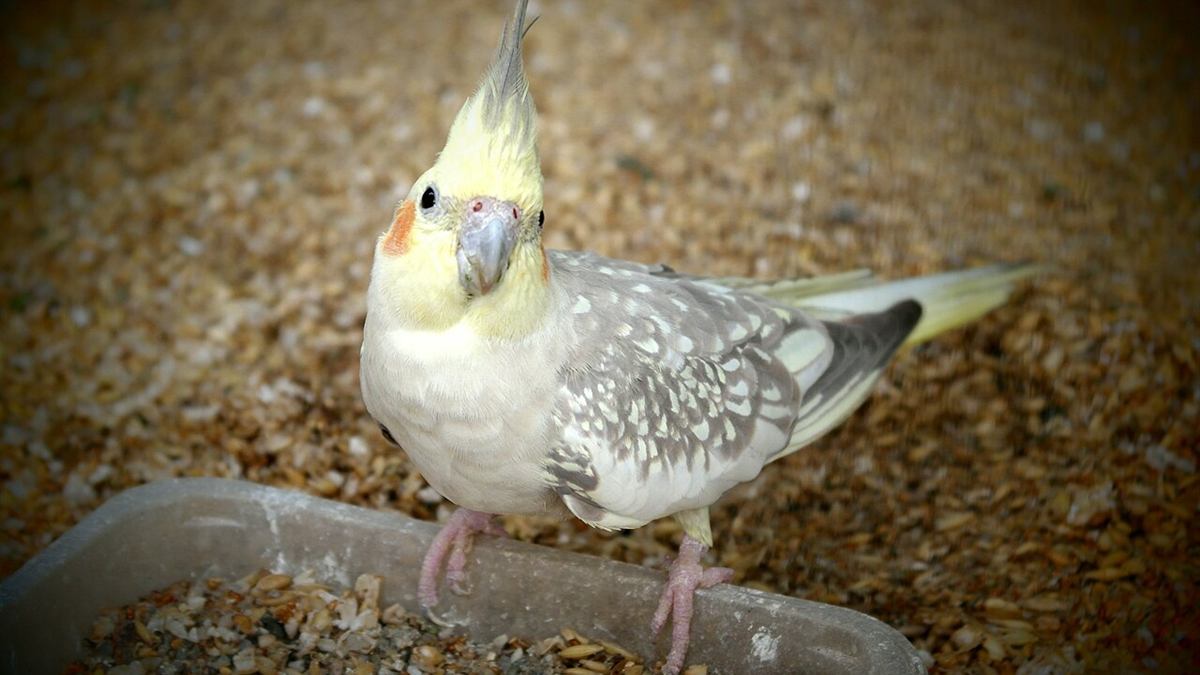
Cockatiels are gentle, affectionate members of the cockatoo family, famous for their expressive crests and cheerful whistles. They often bond closely with their people and enjoy head scratches, shoulder rides and whistling duets. With proper care, a cockatiel can live 15 to 20 years or more, so it is a long-term companion. This guide covers everything a new owner should know.
For one cockatiel, choose a cage at least about 24 inches wide, 24 inches deep and 30 inches tall, and larger if possible. Bar spacing of around 1/2 to 3/4 inch is appropriate. Their long tails need room, so avoid cages that are tall but narrow.
Place the cage against at least one wall in a room where your family spends time. Cockatiels feel safer when they are not exposed on all sides.
Like budgies, cockatiels often get fatty liver disease and other nutritional problems on seed-only diets. A healthier diet usually includes:
Never feed avocado, chocolate, caffeine, alcohol or salty and sugary human snacks. See our full list of safe and toxic foods for pet birds.
| Behavior | What it usually means |
|---|---|
| Crest straight up | Alert, curious or excited |
| Crest relaxed, slightly back | Calm and content |
| Crest flat against head, hissing | Frightened or angry; give space |
| Fluffed feathers, beak grinding | Relaxed and getting ready to sleep |
| Heart-shaped wings, strutting | Courtship display, often by males |
| Head bowed toward you | Asking for a head scratch |
Cockatiels are known for sudden panics at night, called night frights, often triggered by noises, shadows or car headlights. The bird may thrash around the cage and injure itself. To reduce the risk:
Cockatiels are social and need several hours of interaction each day, including time out of the cage in a bird-safe room. They respond well to positive reinforcement training. Teach "step up" first, then try target training or recall. Our bird taming guide covers the basics.
Males are usually better whistlers and talkers, while females are often quieter. Both can be very affectionate.
Cockatiels produce a fine powder that keeps feathers healthy. This dust can build up in your home and may bother people with allergies or asthma. Regular baths or misting, frequent cleaning and an air purifier can help.
Schedule a checkup with an avian veterinarian after adoption and then yearly. Watch for warning signs including fluffed-up feathers for long periods, tail bobbing, changes in droppings, discharge from the nostrils, reduced appetite or sitting on the cage floor. Female cockatiels can lay eggs without a male, and chronic egg laying can cause health problems. Ask your vet for advice if your bird lays frequently.
Some learn a few words, especially males, but cockatiels are better known for whistling than talking.
They are louder than budgies, especially when calling for their people, but quieter than most larger parrots.
Sometimes, with supervision and a large enough space, but cockatiels can be bullied by assertive budgies. Many owners house them separately and let them share out-of-cage time.
Learn how to care for a pet budgie, including cage size, a healthy diet beyond seeds, daily out-of-cage time, companionship and signs of illness.

A patient, trust-based method to tame a budgie, cockatiel or other pet bird, including how to teach step up, use treats and read signs of stress.
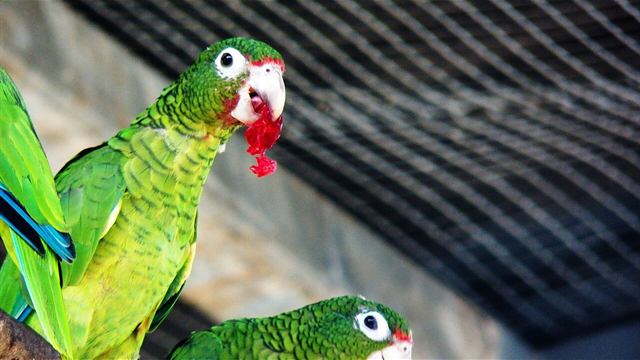
A handy list of safe fruits, vegetables and grains for parrots, budgies and cockatiels, plus the dangerous foods and household hazards every bird owner should know.