Birds
Budgie (Parakeet) Care Guide for Beginners
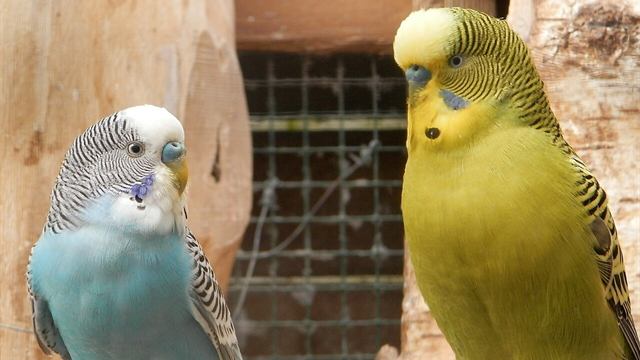
Learn how to care for a pet budgie, including cage size, a healthy diet beyond seeds, daily out-of-cage time, companionship and signs of illness.
A handy list of safe fruits, vegetables and grains for parrots, budgies and cockatiels, plus the dangerous foods and household hazards every bird owner should know.
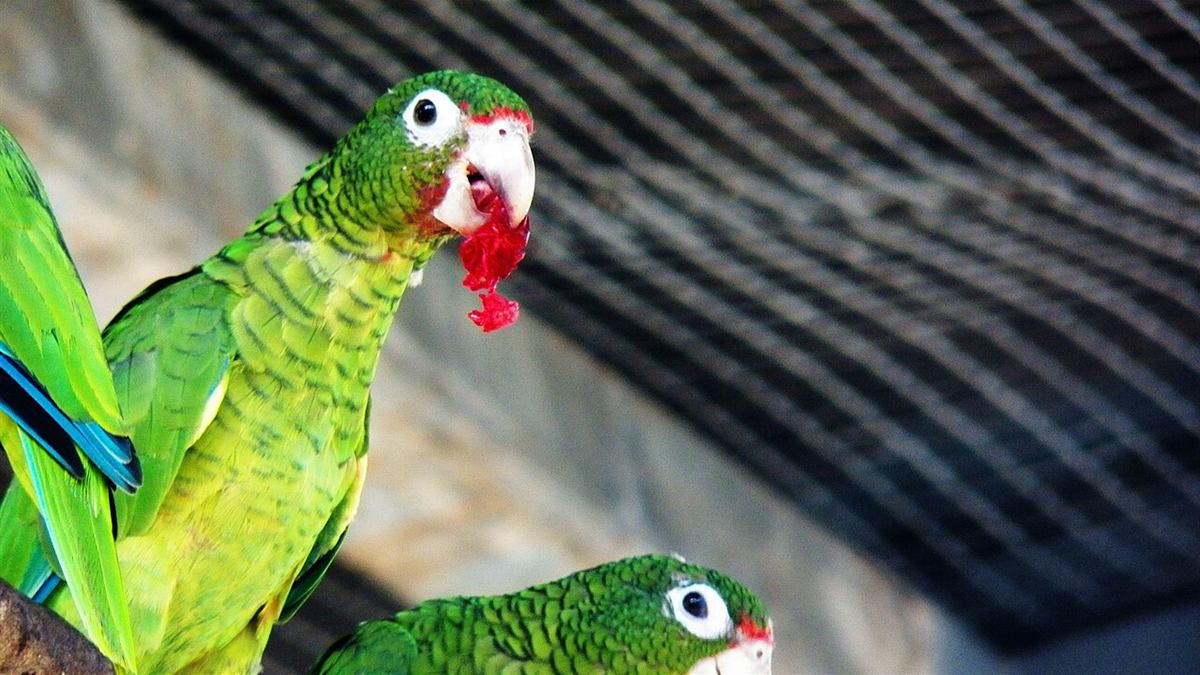
Sharing healthy food with your bird is one of the joys of bird ownership. Fresh foods add vitamins, variety and enrichment to your bird's day. But some common foods, and even some kitchen habits, can be very dangerous for birds. This guide covers what you can safely share and what to keep far away from your feathered friend.
Most avian veterinarians recommend that common pet birds such as budgies, cockatiels and conures eat a balanced pellet as the base of their diet, along with fresh vegetables and smaller amounts of fruit, seeds and grains. Seed-only diets are linked to obesity and nutritional deficiencies. Needs vary by species, so ask your avian vet what is right for your bird.
Wash produce well and serve it raw or lightly steamed, without seasoning.
Offer fruit in small portions, as it is high in natural sugar. Remove pits and seeds from fruits in the rose family.
| Fruit | Notes |
|---|---|
| Apple | Remove seeds and core |
| Pear | Remove seeds |
| Berries | Blueberries, strawberries, raspberries are favorites |
| Banana | Small pieces |
| Mango and papaya | Great sources of vitamin A |
| Melon | Cantaloupe and watermelon |
| Grapes | Small amounts |
| Cherries, peaches, apricots, plums | Remove the pit completely |
Birds have very sensitive respiratory systems. Be aware of these hidden risks:
Contact an avian vet or animal poison control center right away if your bird shows sudden lethargy, vomiting, diarrhea, difficulty breathing, wobbling, seizures or fluffed-up feathers after possible exposure to something toxic.
For species-specific diets, see our budgie and cockatiel care guides.
A tiny piece of plain whole-grain bread is not toxic, but bread offers little nutrition. Moldy bread is dangerous.
Only small amounts of unsalted natural peanut butter, and never products containing xylitol.
Most parrots, including budgies and cockatiels, hull their seeds and do not need grit. Ask your avian vet.
Learn how to care for a pet budgie, including cage size, a healthy diet beyond seeds, daily out-of-cage time, companionship and signs of illness.
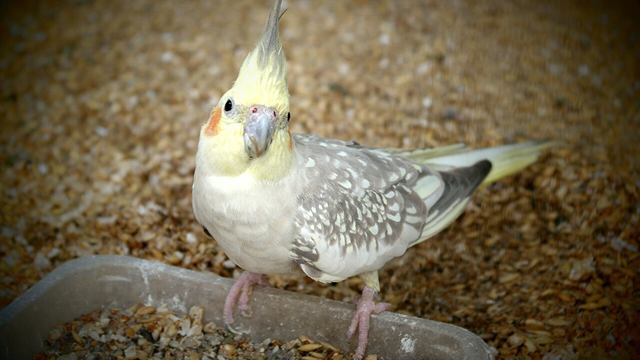
Everything you need to know about cockatiel care, from cage setup and a healthy diet to understanding crest signals, night frights and common health issues.
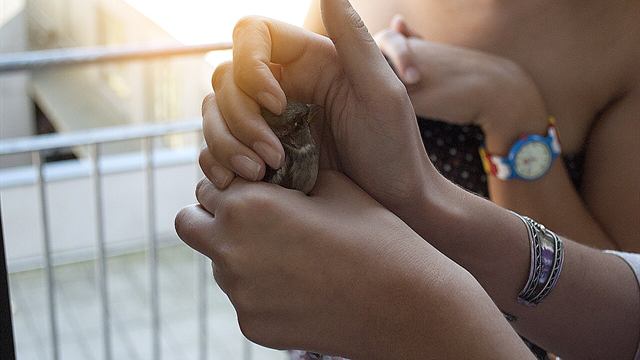
A patient, trust-based method to tame a budgie, cockatiel or other pet bird, including how to teach step up, use treats and read signs of stress.