
Dogs
How to Potty Train a Puppy: A Simple 7-Step Plan
A calm, step-by-step plan to house-train your puppy fast, including a sample schedule, crate tips and what to do about accidents.
Thinking about your first dog? Compare 12 beginner-friendly breeds by size, energy and grooming, plus a simple checklist to find the right match for your lifestyle.
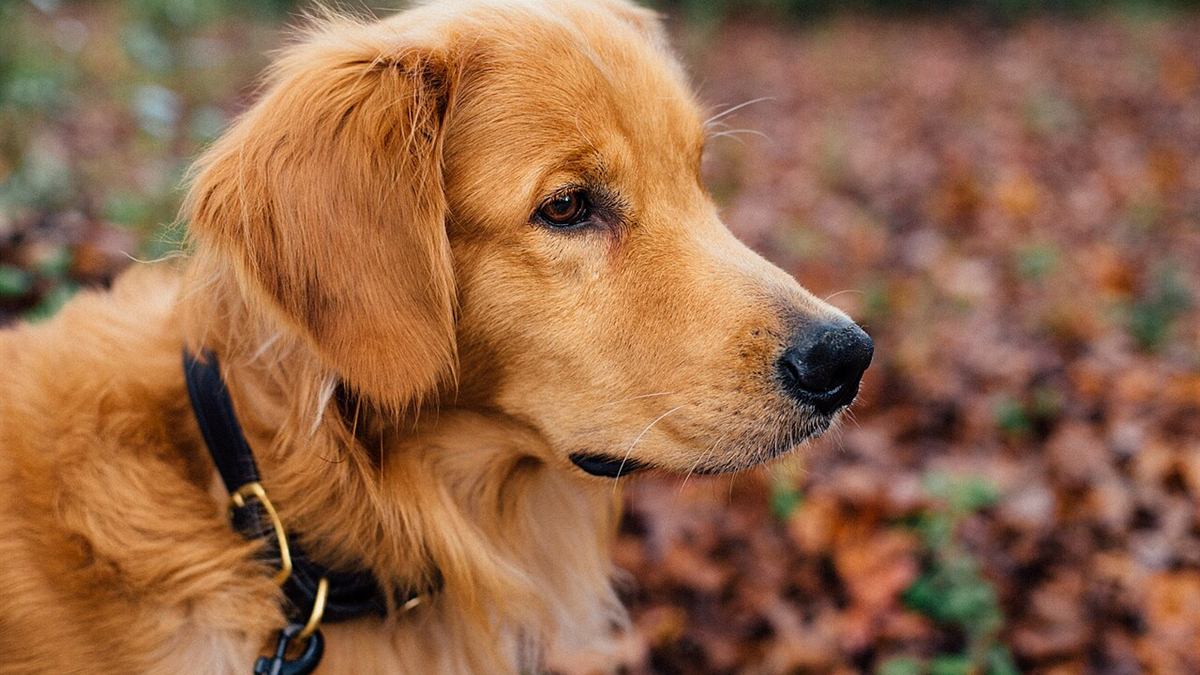
Bringing home your first dog is exciting, but the breed you choose shapes almost everything that follows: how much exercise you will need to provide, how often you will be brushing fur off the couch, and how quickly training clicks. The good news is that plenty of breeds are naturally easygoing, eager to please and forgiving of beginner mistakes.
Below you will find 12 breeds that consistently suit first-time owners, followed by a quick checklist to help you narrow down the right one for your home.
A beginner-friendly dog does not need to be small or "low maintenance" in every way. What matters most is a combination of traits that makes daily life smoother while you learn:
| Breed | Size | Energy | Grooming |
|---|---|---|---|
| Labrador Retriever | Large | High | Moderate shedding |
| Golden Retriever | Large | High | Heavy shedding |
| Cavalier King Charles Spaniel | Small | Moderate | Weekly brushing |
| Poodle (Toy, Miniature, Standard) | All sizes | Moderate to high | Professional grooming |
| Bichon Frise | Small | Moderate | Professional grooming |
| Shih Tzu | Small | Low | Daily brushing or short trim |
| Havanese | Small | Moderate | Regular brushing |
| Boston Terrier | Small | Moderate | Minimal |
| Pug | Small | Low | Sheds a lot |
| Greyhound (retired racer) | Large | Low indoors | Minimal |
| Bernese Mountain Dog | Giant | Moderate | Heavy shedding |
| Mixed-breed adult from a shelter | Varies | Varies | Varies |
Retrievers top many "best family dog" lists for good reason. They are social, food-motivated and quick learners. The trade-off is energy: young retrievers need at least an hour of activity a day, plus chewing outlets. If you enjoy walking, hiking or playing fetch, they are hard to beat.
Cavaliers are gentle, affectionate and happy in apartments. They adapt well to quiet or busy households. Because the breed is prone to certain heart conditions, choose a breeder who health-tests or adopt through a breed rescue.
Poodles are among the most trainable breeds, and they come in three sizes. Both poodles and Bichons have low-shedding coats, which many people with mild allergies prefer, but they need regular haircuts. Budget for grooming every 4 to 8 weeks.
These small companions are cheerful, people-oriented and content with shorter walks. Boston Terriers have easy coats, while Shih Tzus and Havanese need brushing or a short "puppy cut." All three tend to do well in apartments.
Pugs are funny, affectionate and relaxed, but their flat faces make them sensitive to heat and heavy exercise. Bernese Mountain Dogs are gentle giants with sweet temperaments; just be ready for lots of fur, a big food bill and a shorter average lifespan than smaller breeds.
It surprises many people, but retired racing Greyhounds are famously calm at home. They enjoy a daily walk and a short sprint in a fenced area, then spend most of the day napping. Adoption groups usually match dogs to homes carefully.
An adult shelter dog can be the easiest choice of all. With an adult, the personality is already visible, and many are already house-trained. Ask staff about energy level, behavior with other pets and how the dog handles being left alone.
Some wonderful breeds can overwhelm a first-time owner. High-drive working dogs such as Border Collies, Belgian Malinois and Siberian Huskies need a lot of exercise and mental work every day. Independent or strong-willed breeds may need more experienced handling. None of this makes them bad dogs; they simply need the right home.
Adult dogs are often easier because their size, energy and personality are already known, and many are house-trained. Puppies are rewarding but need constant supervision, frequent potty breaks and months of training. If you do choose a puppy, read our guide on how to potty train a puppy.
Not always. Small dogs still need training, exercise and socialization. Some small terriers are very energetic, while some large breeds are calm couch companions.
No dog is truly allergen-free. Low-shedding breeds may cause fewer symptoms for some people, so spend time with the breed before deciding.
A calm, step-by-step plan to house-train your puppy fast, including a sample schedule, crate tips and what to do about accidents.

Learn how to work out the right portion size for your dog, how often to feed puppies and adults, and how to tell if your dog is at a healthy weight.
Does your dog bark, chew or have accidents when you leave? Learn the signs of separation anxiety and a step-by-step plan to help your dog feel safe alone.