
Dogs
12 Best Dog Breeds for First-Time Owners (and How to Choose)
Thinking about your first dog? Compare 12 beginner-friendly breeds by size, energy and grooming, plus a simple checklist to find the right match for your lifestyle.
Does your dog bark, chew or have accidents when you leave? Learn the signs of separation anxiety and a step-by-step plan to help your dog feel safe alone.
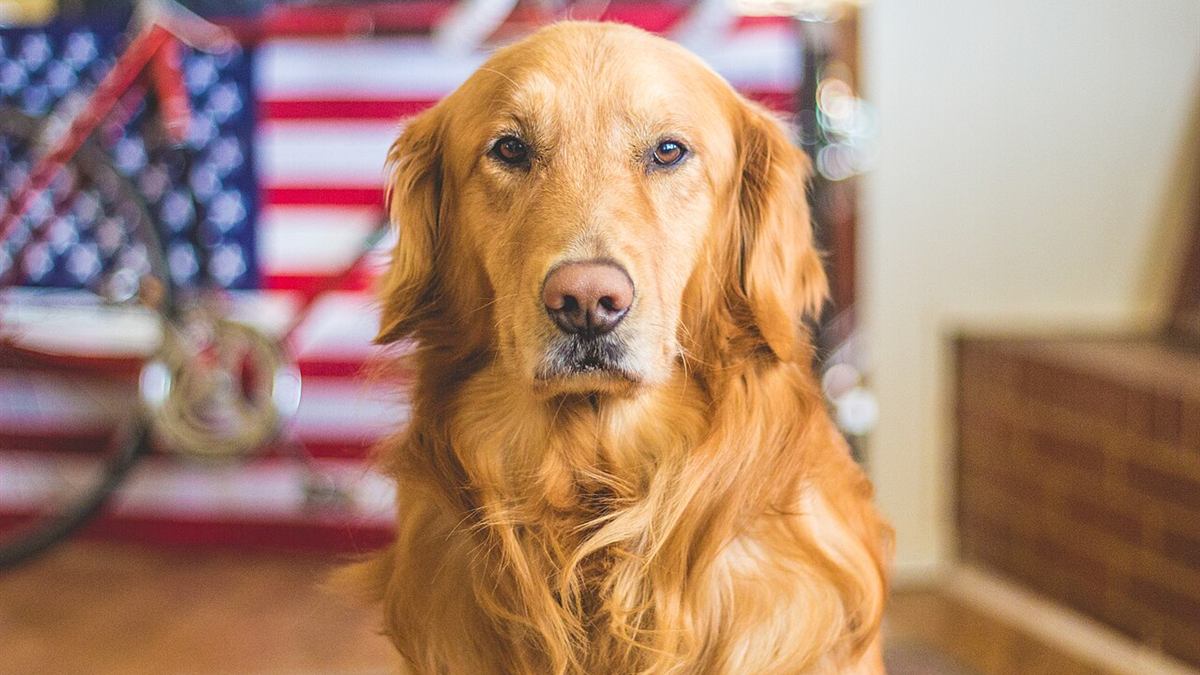
Coming home to a chewed door frame or hearing from neighbors that your dog howled all afternoon is stressful. For the dog, it is even more stressful. Separation anxiety is a real panic response to being left alone, not spite or bad manners. The encouraging news is that most dogs improve with patient, gradual training and a few smart changes to your routine.
Signs usually appear within the first 30 minutes after you leave, and they happen mainly or only when the dog is alone. Look for:
A pet camera can help you see what really happens while you are away. Some dogs that chew are simply bored, not anxious, and the solutions are different.
There is rarely a single cause. Common triggers include a sudden change in routine (for example, an owner returning to the office), moving house, the loss of a family member or another pet, or a change of home such as adoption from a shelter. Some dogs also seem more naturally prone to anxiety.
Before starting a training plan, ask your veterinarian to check for medical issues. Accidents indoors, for example, can be caused by urinary or digestive problems. Also consider whether the behavior could be boredom, incomplete house-training or fear of noises such as thunder or construction.
Dogs learn our "leaving" signals: keys, shoes, a coat. Pick up your keys or put on your shoes several times a day without leaving, so these cues lose their power. Keep goodbyes and hellos calm and low-key.
Start with an absence your dog can handle without stress, even if that is only a few seconds behind a closed door. Repeat several times, then slowly increase the time. The goal is that your dog never reaches panic. If your dog becomes anxious, go back to a shorter time.
Work up from seconds to minutes, then to stepping outside, then to short trips. Many dogs need weeks or months of practice. Varying the length of absences helps, so your dog does not learn that each one gets longer.
Every time your dog panics, it can undo progress. While you train, consider doggy daycare, a dog walker, a trusted friend or bringing your dog along when possible.
If your dog injures itself, panics within seconds of being alone or does not improve after a few weeks, talk to your veterinarian. Vets can prescribe anti-anxiety medication when appropriate, which often makes training much more effective. A certified veterinary behaviorist or a certified separation anxiety trainer can design a detailed plan for your dog.
Yes. Teaching short, positive alone time from the start helps prevent problems later. Puppy routines like potty training schedules and crate naps are a great time to practice.
Mild cases may improve in a few weeks. More severe cases can take several months of consistent work.
Any dog can develop separation anxiety, regardless of breed. Individual history and routine matter more than breed.
Thinking about your first dog? Compare 12 beginner-friendly breeds by size, energy and grooming, plus a simple checklist to find the right match for your lifestyle.

A calm, step-by-step plan to house-train your puppy fast, including a sample schedule, crate tips and what to do about accidents.

Learn how to work out the right portion size for your dog, how often to feed puppies and adults, and how to tell if your dog is at a healthy weight.