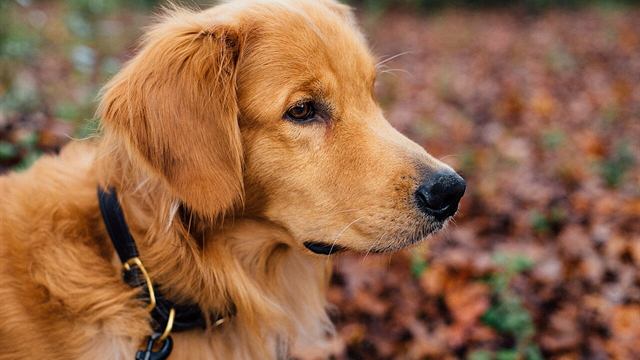
Dogs
12 Best Dog Breeds for First-Time Owners (and How to Choose)
Thinking about your first dog? Compare 12 beginner-friendly breeds by size, energy and grooming, plus a simple checklist to find the right match for your lifestyle.
A calm, step-by-step plan to house-train your puppy fast, including a sample schedule, crate tips and what to do about accidents.
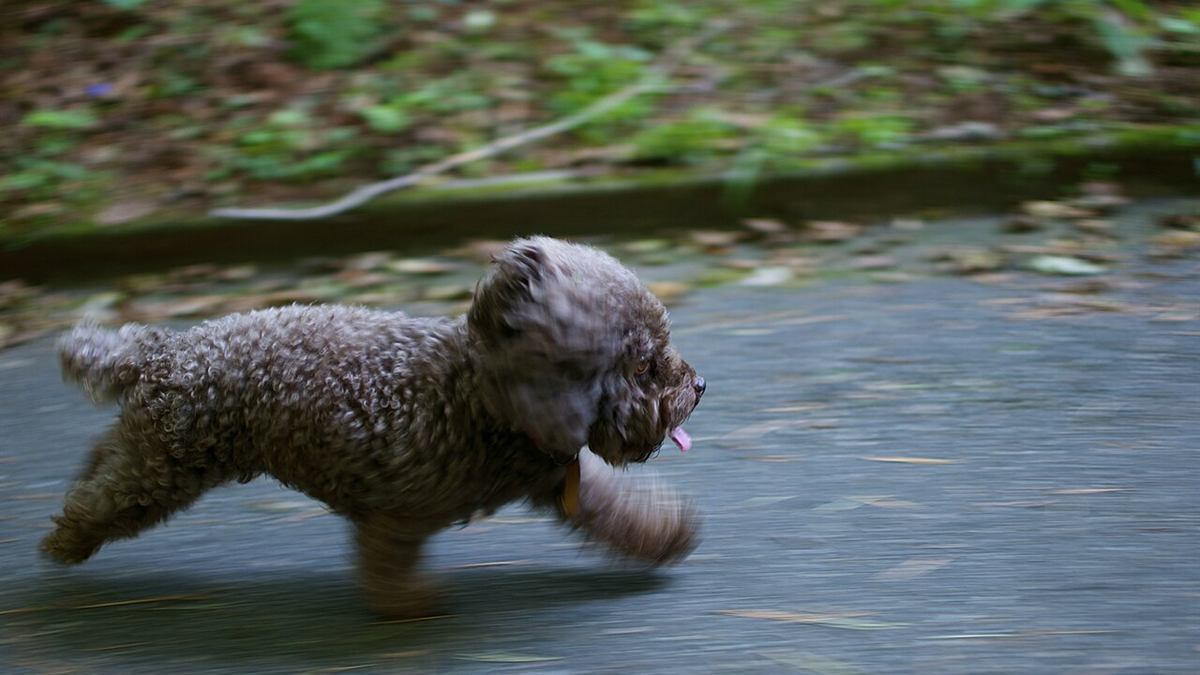
Potty training is usually the first big project for any new puppy owner. It can feel endless during the first week, but most puppies learn the basics within a few weeks when the routine is consistent. The secret is simple: give your puppy many chances to go in the right place, reward it every time, and prevent accidents indoors as much as possible.
Every puppy is different. Many puppies understand the routine within two to four weeks, but full reliability often takes several months. Young puppies simply cannot hold it for long. A common rule of thumb is that a puppy can hold its bladder for roughly one hour per month of age, up to about eight hours, but treat that as a maximum, not a goal.
Choose a spot outside that is easy to reach quickly, even in bad weather. Carry or leash your puppy straight there every time. Familiar smells help puppies understand that this is the place to go.
Puppies need to go most often at predictable moments. Plan potty trips:
| Time | Activity |
|---|---|
| 6:30 am | Wake up, straight outside |
| 7:00 am | Breakfast, then outside |
| 7:30 am | Play and short training, then outside |
| 8:00 am | Nap in crate or pen |
| 10:00 am | Outside after nap |
| 12:00 pm | Lunch, then outside |
| Afternoon | Repeat: nap, potty, play, potty |
| 5:00 pm | Dinner, then outside |
| 10:30 pm | Last potty trip before bed |
Very young puppies may still need one trip during the night. Keep it calm and boring: out, potty, praise and straight back to bed.
As your puppy starts to go, say a short phrase like "go potty" in a calm voice. Over time, the cue becomes associated with the action, which is very handy on rainy nights or road trips.
The reward must happen within a few seconds of your puppy finishing, while you are still outside. Bring tiny, tasty treats in your pocket. If you wait until you get back inside, your puppy will think it is being rewarded for coming in, not for going outside.
Most accidents happen when nobody is watching. While your puppy is loose indoors, keep it in the same room as you. Watch for signs such as sniffing the floor, circling, whining or suddenly walking away from play. When you see them, head outside right away.
When you cannot supervise, use a crate or a small puppy pen. Dogs naturally avoid soiling their sleeping area, so a properly sized crate helps your puppy learn to hold it. The crate should be just big enough to stand up, turn around and lie down. Never use it as punishment, and do not leave a young puppy crated for longer than it can physically hold its bladder.
Accidents are part of the process. If you catch your puppy in the act, calmly interrupt with a neutral sound, pick it up and take it outside. If you find an accident afterward, simply clean it up. Scolding or rubbing a puppy's nose in the mess does not teach anything and can make your puppy afraid to go in front of you.
Once your puppy has gone a couple of weeks without accidents, give it access to one extra room at a time. If accidents return, go back a step for a few days. Progress is rarely a straight line, and that is perfectly normal.
Pads can be useful for apartment dwellers or owners who work long hours, but they can slow outdoor training because puppies learn that going indoors is acceptable. If you use them, place them near the door and gradually move them outside.
If your puppy suddenly starts having accidents after doing well, pees very frequently, strains, or has blood in the urine, call your veterinarian. Urinary tract infections and other medical issues can look like training problems.
You can start the day your puppy comes home, usually around 8 weeks of age. Early, consistent routines make the process much faster.
Usually because outdoor time was too short or too exciting. Stay outside a little longer, keep it boring, and only play after your puppy has gone.
Yes. Adult dogs learn with the same steps: a schedule, supervision and rewards. If you are still choosing a dog, see our list of the best dog breeds for first-time owners.
Thinking about your first dog? Compare 12 beginner-friendly breeds by size, energy and grooming, plus a simple checklist to find the right match for your lifestyle.
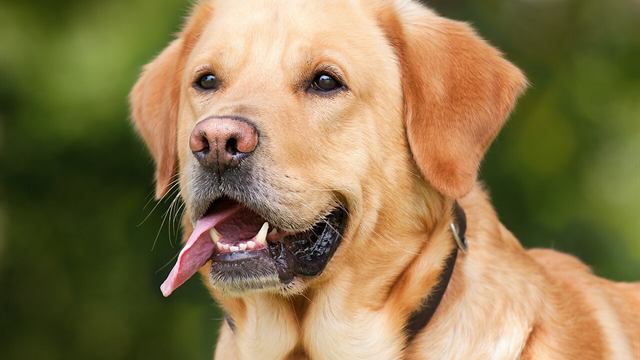
Learn how to work out the right portion size for your dog, how often to feed puppies and adults, and how to tell if your dog is at a healthy weight.
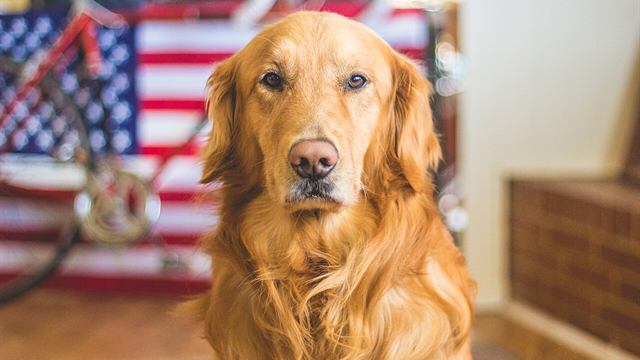
Does your dog bark, chew or have accidents when you leave? Learn the signs of separation anxiety and a step-by-step plan to help your dog feel safe alone.